
Architecture does more than provide shelter. At its best, it elevates the machine for living into something richer, a medium for human expression that reflects the diversity and character of those who inhabit it. Through thoughtful design, buildings contribute vibrancy, meaning and beauty to the wider built environment.
Every project begins with context. Vision and style must be balanced against building typology, material palette, local vernacular and the qualities of the natural landscape. Each site carries its own physical, cultural and historical weight, calling for a response that is both sensitive and imaginative.
Across the UK, planning policy continues to safeguard the greenbelt from uncontrolled expansion. While this protective stance is well founded, it can present challenges for clients who aspire not only to experience the landscape but to live within it. Pine Cottage demonstrates how careful strategy and design clarity can navigate this tension successfully.
Working With What Exists
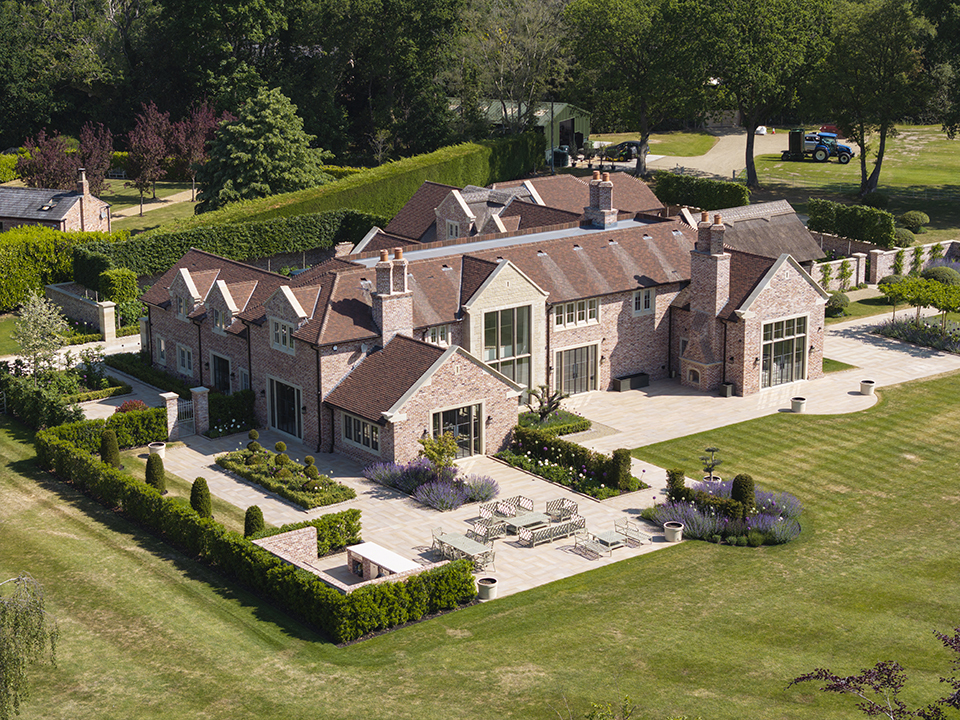
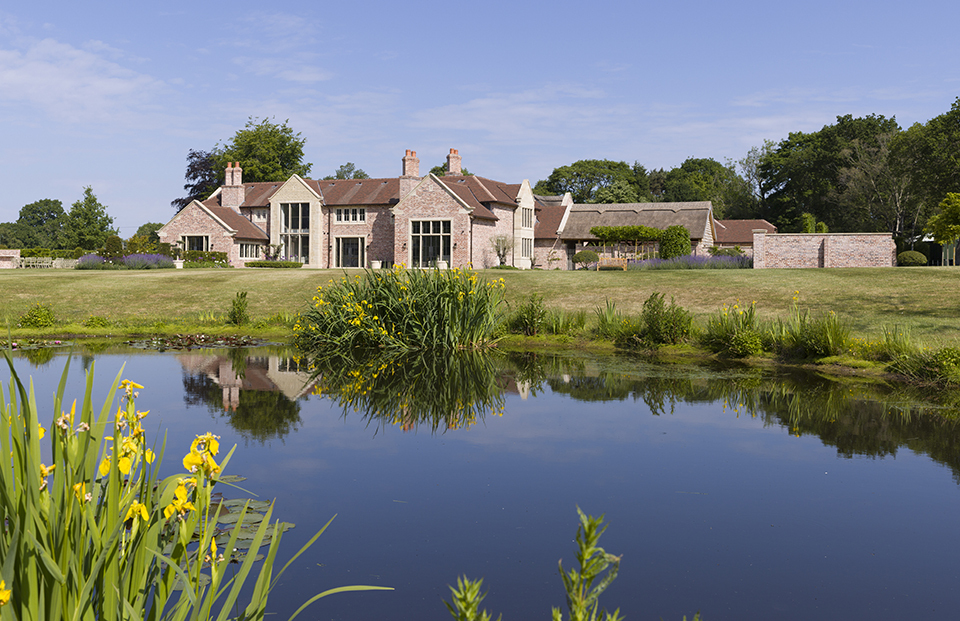
Planning consent for Pine Cottage was achieved by utilising the site’s existing volume, enabling the delivery of a new-build home in a carefully interpreted Arts and Crafts idiom. From the outset, brick was positioned as the backbone of the material strategy, not simply as a cladding choice, but as the primary vehicle for anchoring the home to its setting.
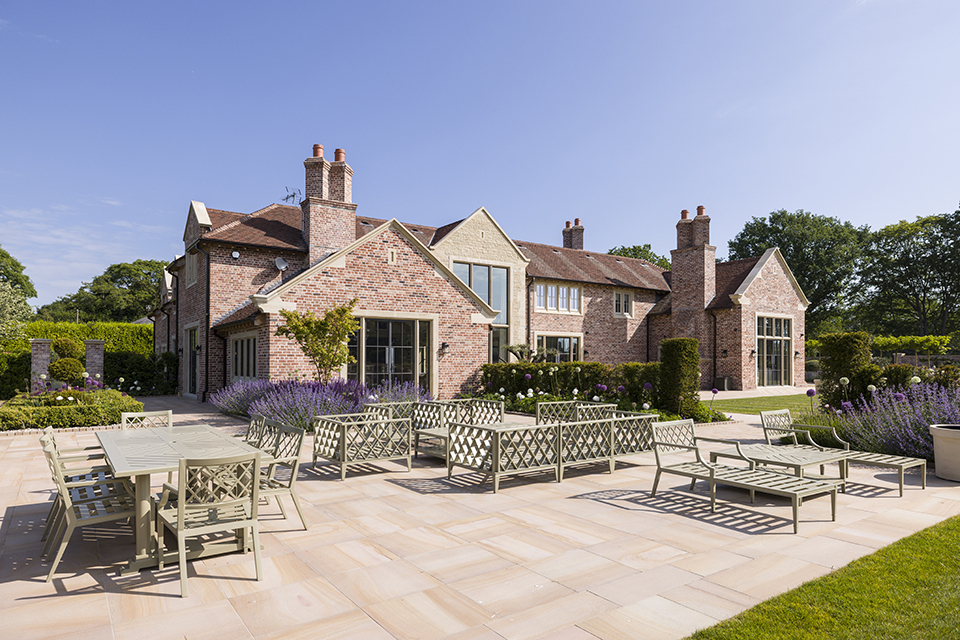
The scheme utilises Hathaway Brindled, a clay facing brick supplied by wienerberger, selected for its tonal warmth, subtle variation and ability to sit comfortably within the rural palette. Its brindled character brings visual richness while maintaining the restraint required by the open landscape setting.
The site itself is uncompromising: flat, open and defined by long, uninterrupted vistas. In such conditions, architectural moves must be measured and deliberate. Here, brick operates beyond colour and texture, becoming the means through which the building establishes presence, frames views and generates depth through shadow.
Establishing Presence
Pine Cottage rises gently from a modest plinth, its base articulated with a double cant brick detail that gives the house both visual weight and a sense of lineage. Traditional elements - arches, piers and buttresses are deployed with restraint, marking thresholds and creating a calm, legible rhythm across the elevations.
The composition focuses on proportion and craft, each element earns its place.
Detail as a Discipline
The success of the scheme lies in the cumulative effect of its brickwork detailing. Three-point arches define the courtyard entrance, each crowned with a precisely engineered stepped header manufactured off-site to ensure millimetre accuracy on installation.
Elsewhere, moments of craft are carefully layered:
-
A recessed ground-level nook accommodates an intricately detailed brick fireplace and stepped flue.
-
Chimney stacks are rotated forty-five degrees, enriched with refined string course detailing.
-
Subtle projections and recesses animate the façades, producing a controlled play of light and shadow across the day.
Importantly, the detailing remains disciplined. Nothing competes for attention; instead, the architecture relies on quiet consistency. The effect is deliberately understated, allowing the quality of the workmanship to register gradually.
Material Harmony
Broad planes of brickwork are punctuated with locally sourced natural stone in both pitched-face and ashlar finishes, introducing texture and tonal variation. The selected brick and mortar palette has been carefully tuned to sit comfortably within the surrounding landscape, giving the building a settled, mature character from the outset.
The result is a home that feels rooted rather than imposed, a key consideration in sensitive rural contexts.
A Measured Response
Pine Cottage demonstrates how brick, when handled with clarity and restraint, can do far more than form enclosure. It can mediate between architecture and landscape, between tradition and contemporary expectation.
Success in brick design rarely comes from singular gestures. It emerges from the disciplined accumulation of well-judged decisions, proportion, detailing, material harmony and contextual awareness - working together to create architecture that endures both visually and culturally.
Brick Bulletin | Feature 283


