
As architects and specifiers face the increasing challenge of balancing heritage sensitivity with modern performance, the Eden Campus development in Kingston upon Thames emerges as a compelling case study.
This ambitious mixed-use scheme, designed by Darling Associates Architects, demonstrates how clay brick, reimagined through contemporary systems, can serve as the cornerstone of both aesthetic richness and technical excellence.
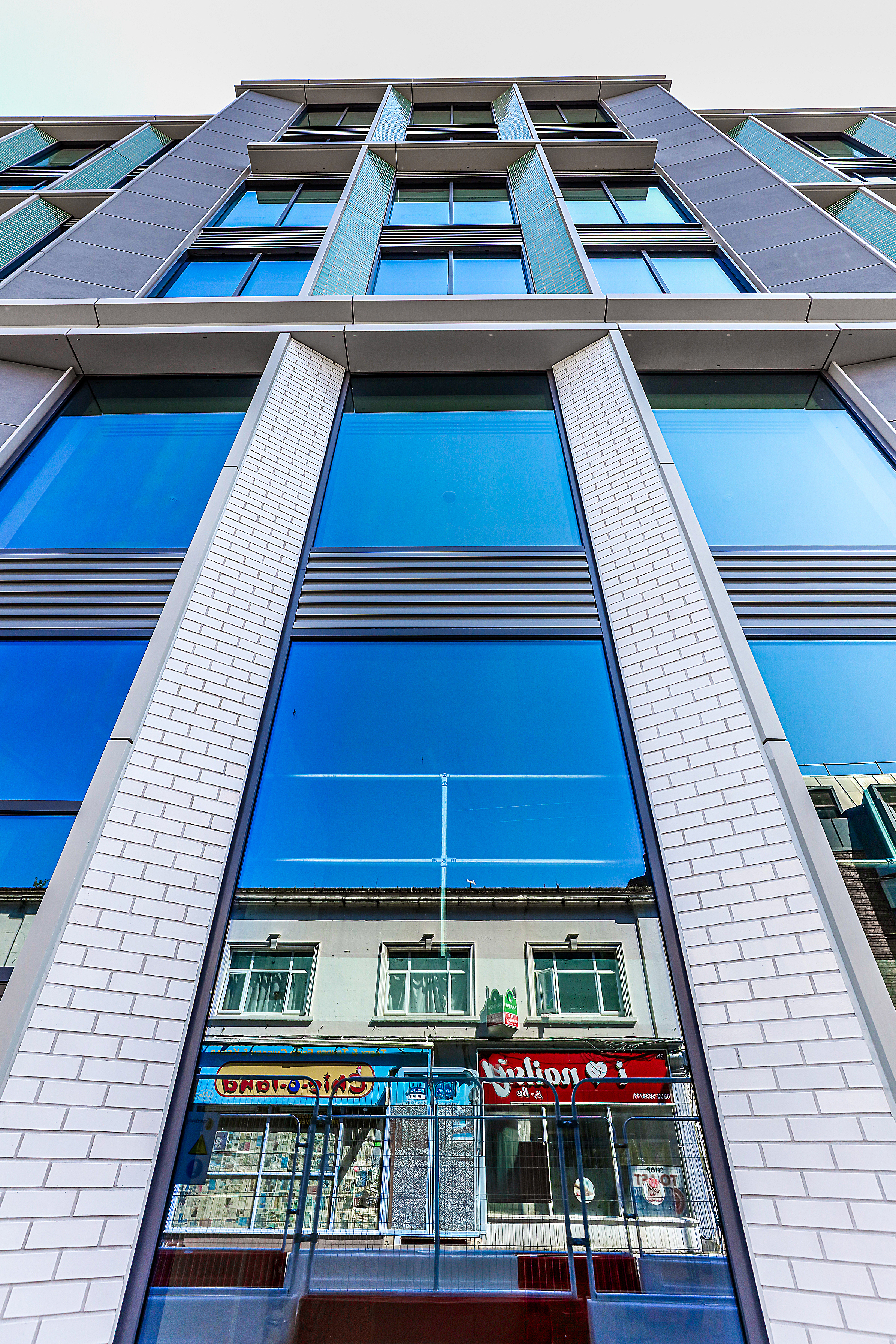
The project’s identity is defined by its sophisticated, contextually responsive palette; the crisp Ibstock white glazed units provide a clean, modern structure, while complementary green glazed tones from specialist manufacturers add a vibrant, tactile depth that anchors the development within its historic surroundings.
A Context-Driven Approach to Materiality
Set within a historically sensitive townscape, Eden Campus establishes a new urban quarter while carefully respecting the character and grain of its surroundings. For design teams, this raises a familiar question: how can traditional materials like clay brick be used in a way that feels authentic, yet meets the demands of modern construction?
At Eden Campus, the answer lies in reinterpretation rather than replication. Brick is not simply applied as a nostalgic gesture, it is integrated as a defining architectural language that connects past and present. The choice of finish, scale and detailing ensures the façade contributes positively to the streetscape while maintaining a contemporary identity.
Reimagining Brick Through Off-Site Innovation
A standout feature of the project is its use of the Ash & Lacy MechSlip system, which bridges the gap between traditional craftsmanship and modern construction efficiency.
This unitised brickslip solution offers several key design advantages:
- Visual authenticity: Replicates the appearance of hand-laid brickwork, preserving the tactile and visual qualities architects value.
- Precision and quality control: Factory installation ensures consistent alignment, jointing, and finish.
- Programme efficiency: Off-site fabrication reduces on-site labour and accelerates installation timelines.
- Structural flexibility: The silicone and grout fixing method accommodates movement during transport and installation.
This approach provides confidence in both performance and delivery.
Material Expression and Façade Articulation
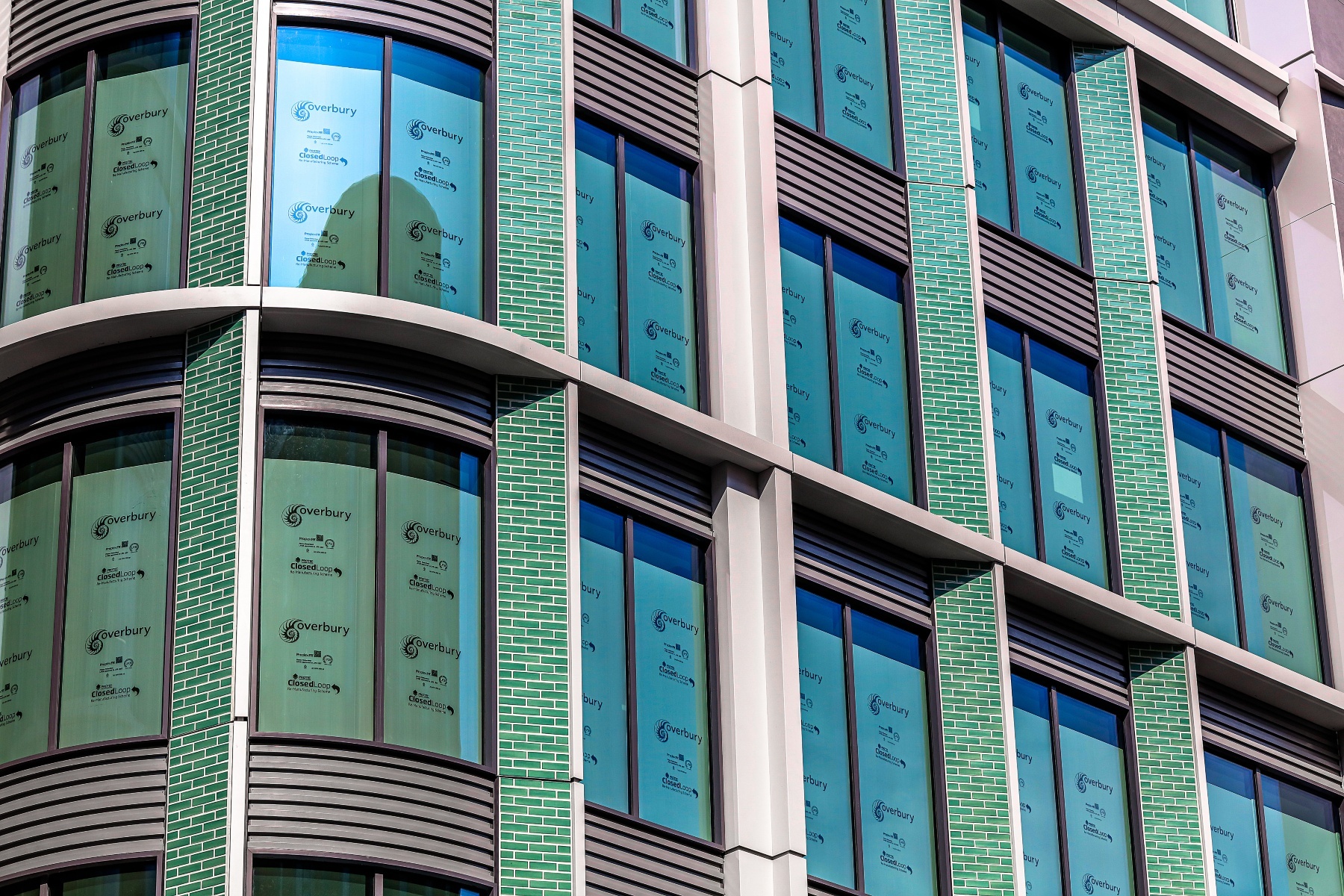
Eden Campus pushes the expressive potential of clay brick further through its distinctive green and white high-gloss brick slips. These finishes introduce a subtle play of light and reflectivity, elevating the façade beyond conventional masonry treatments.
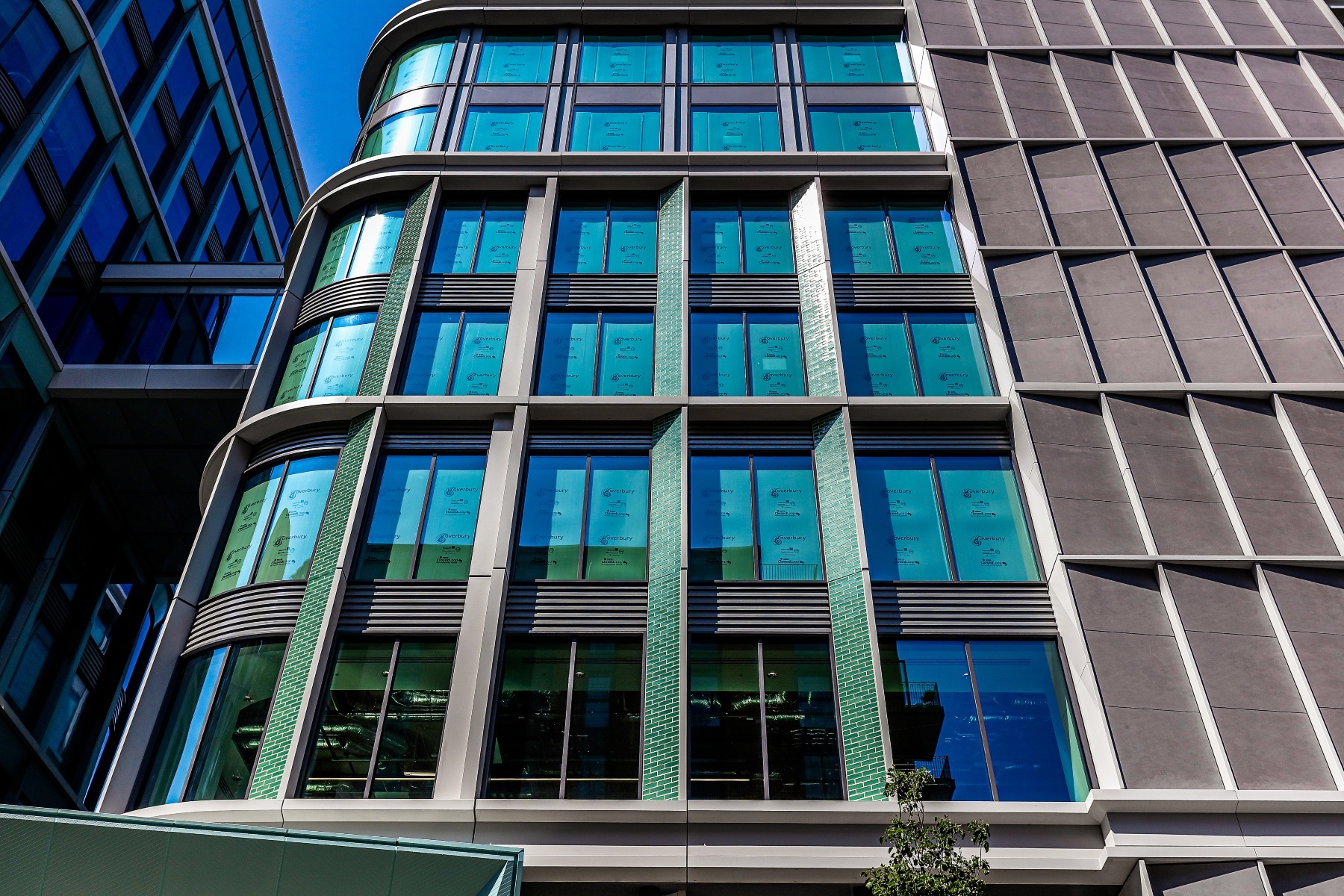
The use of brick slips on curved building forms is particularly noteworthy. Traditionally, achieving such geometries with brick would be labour-intensive and technically challenging. Here, the unitised system allows for seamless integration with bespoke aluminium and glazing systems, enabling fluid architectural forms without compromising material integrity.
Integrating Sustainability into Specification
At Eden Campus, environmental performance is addressed through material selection and system design rather than standalone features. Alongside the clay brick façade, the project incorporates the Wicona Hydro Circal 75 aluminium system, which includes a high proportion of post-consumer recycled content.
This reinforces the need to assess materials in combination, considering how different elements of the façade interact in terms of durability, buildability, and whole-life performance.
The pairing of brick finishes with aluminium framing offers:
- Proven durability and long service life
- Reduced maintenance requirements over time
- Compatibility with off-site fabrication and efficient installation methods
This approach focuses on achieving reliable, long-term performance while supporting project-specific environmental targets, without compromising on design intent.
Designing for People and Place
Beyond the buildings themselves, Eden Campus demonstrates how material choices contribute to placemaking. The four structures are set within a landscaped public realm designed by Gillespies, enhancing biodiversity and creating inviting, human-scaled spaces.
Clay brick plays a subtle but important role here—its texture, colour, and familiarity help ground the development within its context, making new spaces feel established and welcoming from day one.
Key Takeaways
Eden Campus offers several valuable insights when considering clay brick in contemporary projects:
- Context matters: Use brick to respond to local character while embracing modern expression.
- Leverage innovation: Off-site systems like MechSlip can unlock new design possibilities and improve delivery certainty.
- Think beyond aesthetics: Consider performance, sustainability, and integration with other façade materials.
- Embrace complexity: Advanced systems enable the use of brick in non-linear and highly articulated forms.
A Model for Future Urban Development
Eden Campus stands as a benchmark for how clay brick can evolve within modern architecture. By combining thoughtful design and innovative systems the project achieves a balance that is often difficult to strike, honouring tradition while confidently looking forward.
For those specifying façade materials today, it’s a reminder that brick remains not just relevant, but highly adaptable, capable of meeting the technical, environmental and aesthetic demands of contemporary construction.
Recognition
Architect: Darling Associates Architects
Landscape Architect: Gillespies
Main Contractor: Bowmer + Kirkland
Brickwork Contractor: McLaughlin & Harvey
Brick Manufacturer: Ibstock / UK Other
Brick Bulletin | Feature 290


