
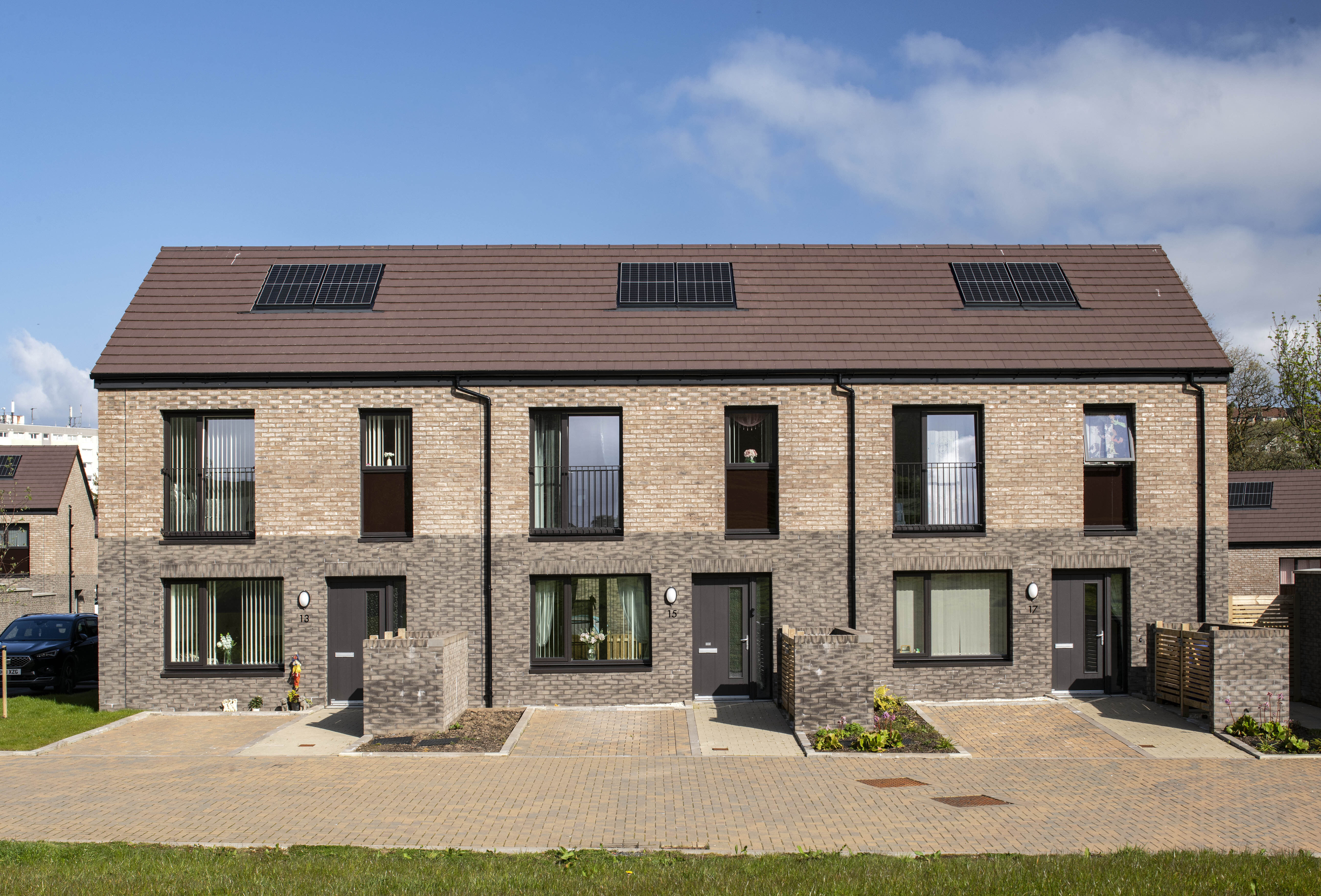
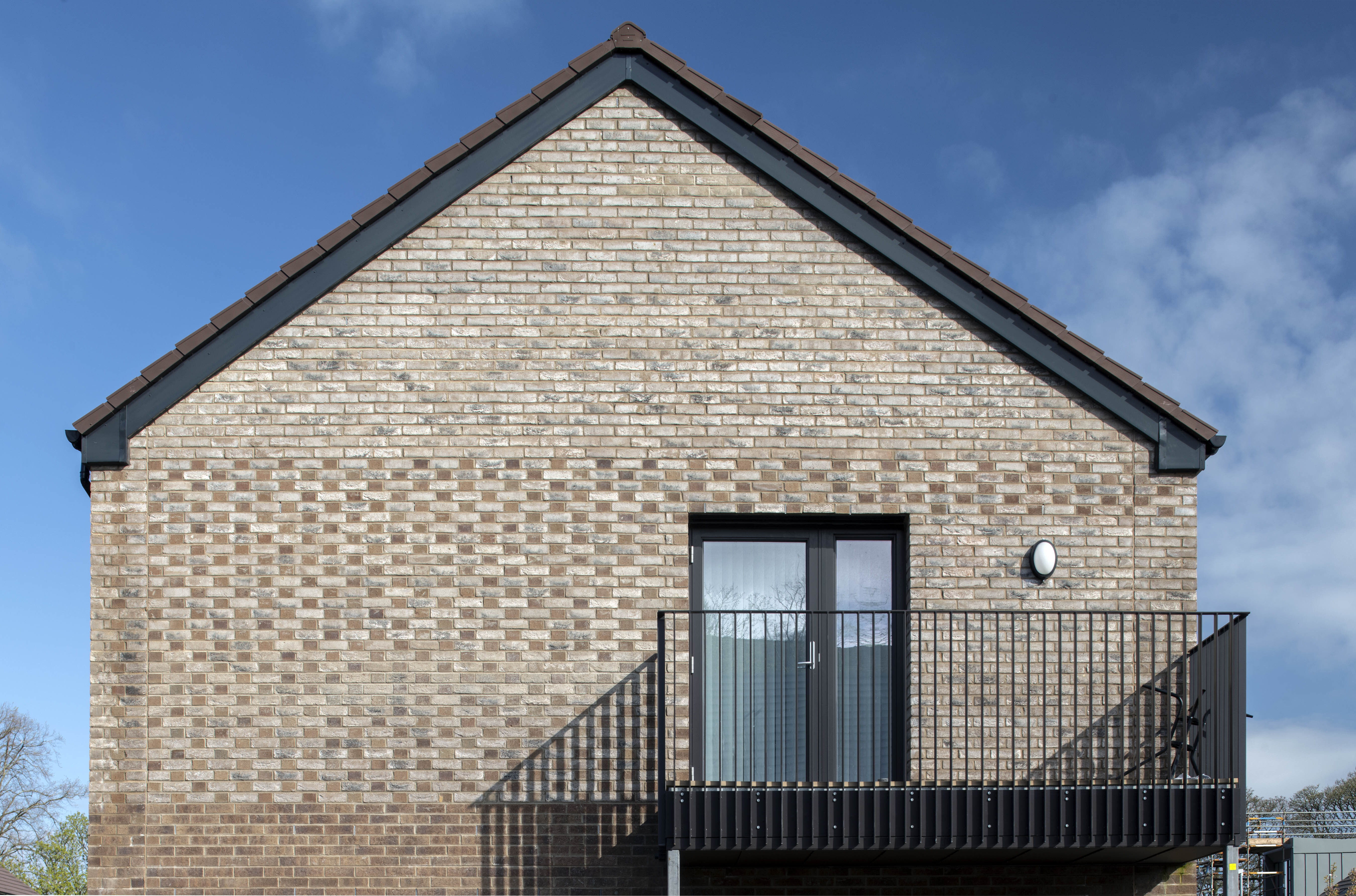
The Ravenscraig development in Greenock, a joint venture between McTaggart Construction and the Link Group, represents a rigorous case study in balancing high-density social housing with exacting thermal performance standards.
Rather than relying on secondary offsets, the project’s sustainability strategy is anchored in fabric-first principles and the specified use of UK-manufactured clay brick.
Thermal Modelling and Bridging Mitigation
The primary challenge of the Ravenscraig brief was to achieve Silver Level (Aspects 1 & 2) under Section 7 of the Building Standards while meeting a 15% carbon emissions abatement via Low and Zero Carbon Generating Technologies (LZCGT).
To achieve this, the design team moved beyond standard U-value calculations. By proposing insulation to the exterior of the timber frame, resulting in deep reveals at all openings, the project required a bespoke thermal modelling exercise.
- Mitigating Thermal Bridging: This detailed assessment allowed for the precision-engineering of construction junctions, significantly reducing linear thermal bridging.
- Reduced Tech Dependency: By optimising the building envelope's performance, the specification reduced the required capacity of renewable systems, ensuring the building's efficiency is inherent to its structure rather than dependent on mechanical longevity.
Material Specification: Blockleys Sterling Grey
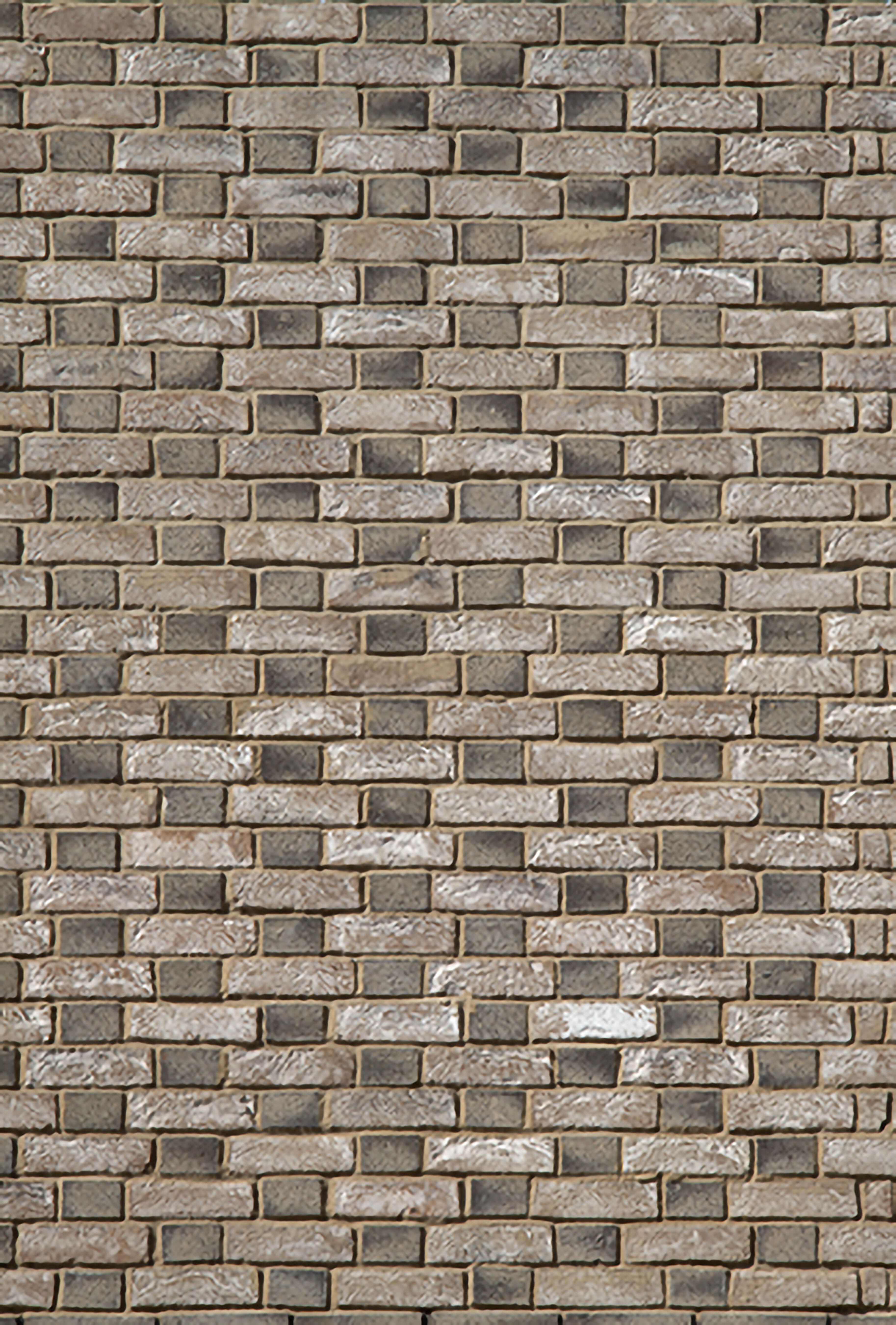
The architectural identity of the 198-home masterplan is defined by the selection of Michelmersh’s Blockleys Sterling Grey brick. For the specifier, clay brick was the logical choice to meet the dual requirements of aesthetic longevity and a low-maintenance lifecycle.
- The development is structured into clusters of 20-30 homes. A 50/50 brick split across the site creates a clear visual hierarchy, providing legibility and "neighbourhood" scaling within the wider woodland context.
- All units, ranging from bungalows to three-storey terraces, were designed to meet Housing for Varying Needs (HfVN) standards, including 20 fully wheelchair-accessible homes.
Integrated Environmental Strategy
The technical strategy, overseen by Carbon Futures, integrated several key components to ensure compliance with the 2017 Building Standards:
- A tailored mix of Decentralised Mechanical Extract Ventilation (DMEV) and Centralised Mechanical Extract Ventilation (CMEV) was deployed to manage indoor air quality in highly airtight envelopes.
- Roof-mounted Photovoltaic (PV) Panels provided the final percentage of carbon abatement required by funding bodies.
- The project successfully addressed localised flooding and marshland at the Pennyfern entrance, reclaiming the area as high-quality public realm with disabled access and direct links to the Greenock Cut pedestrian trails.
The Social Value of Specification
Beyond the technical data, the project delivered £3.6 million in social value, including 120 hours of vocational training. For the specifier, Ravenscraig demonstrates that a robust, clay brick-led material palette, combined with advanced thermal modelling, delivers a development that is thermally efficient, socially inclusive and architecturally resilient.
Brick Bulletin | Feature 293


