
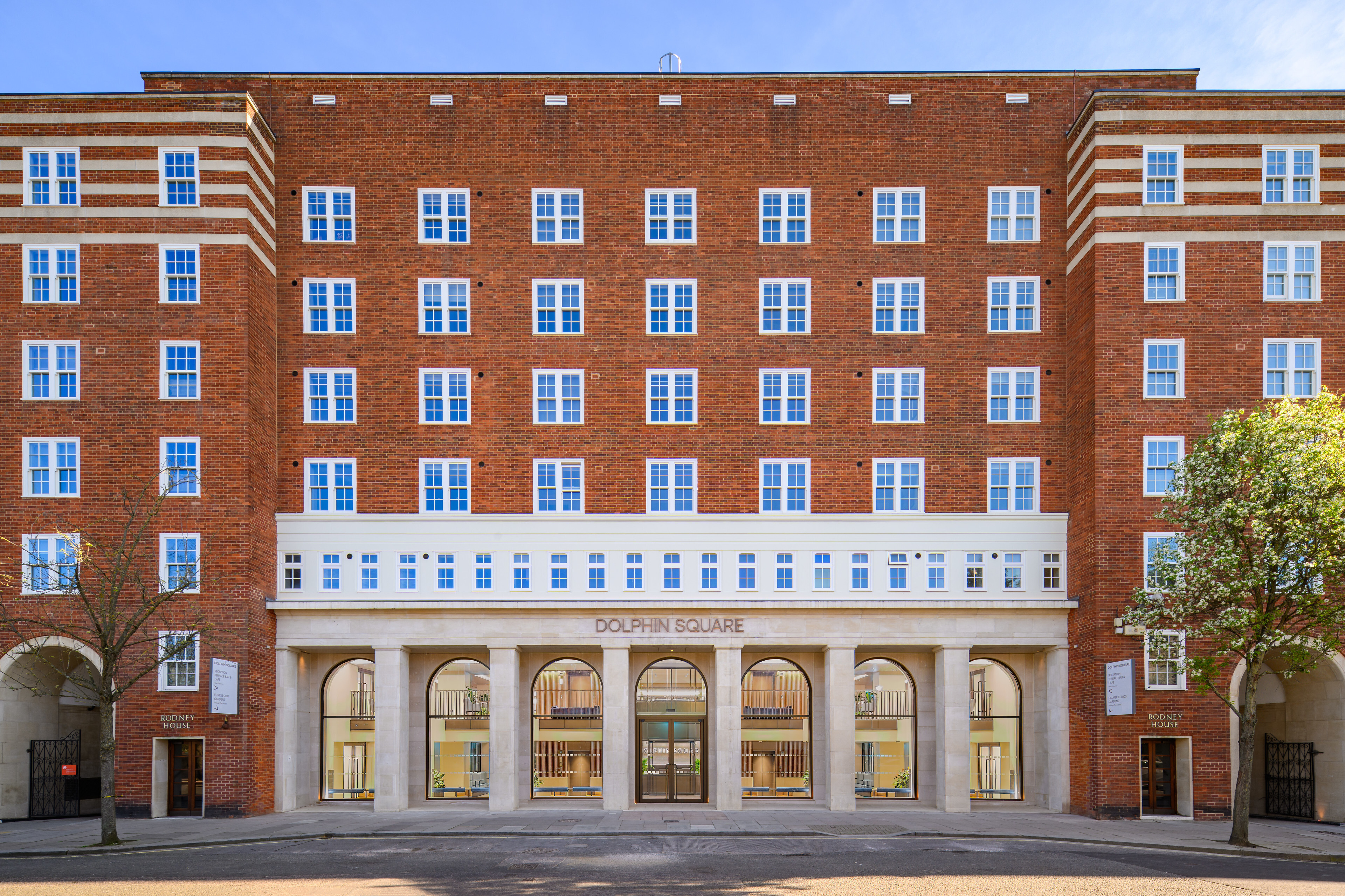
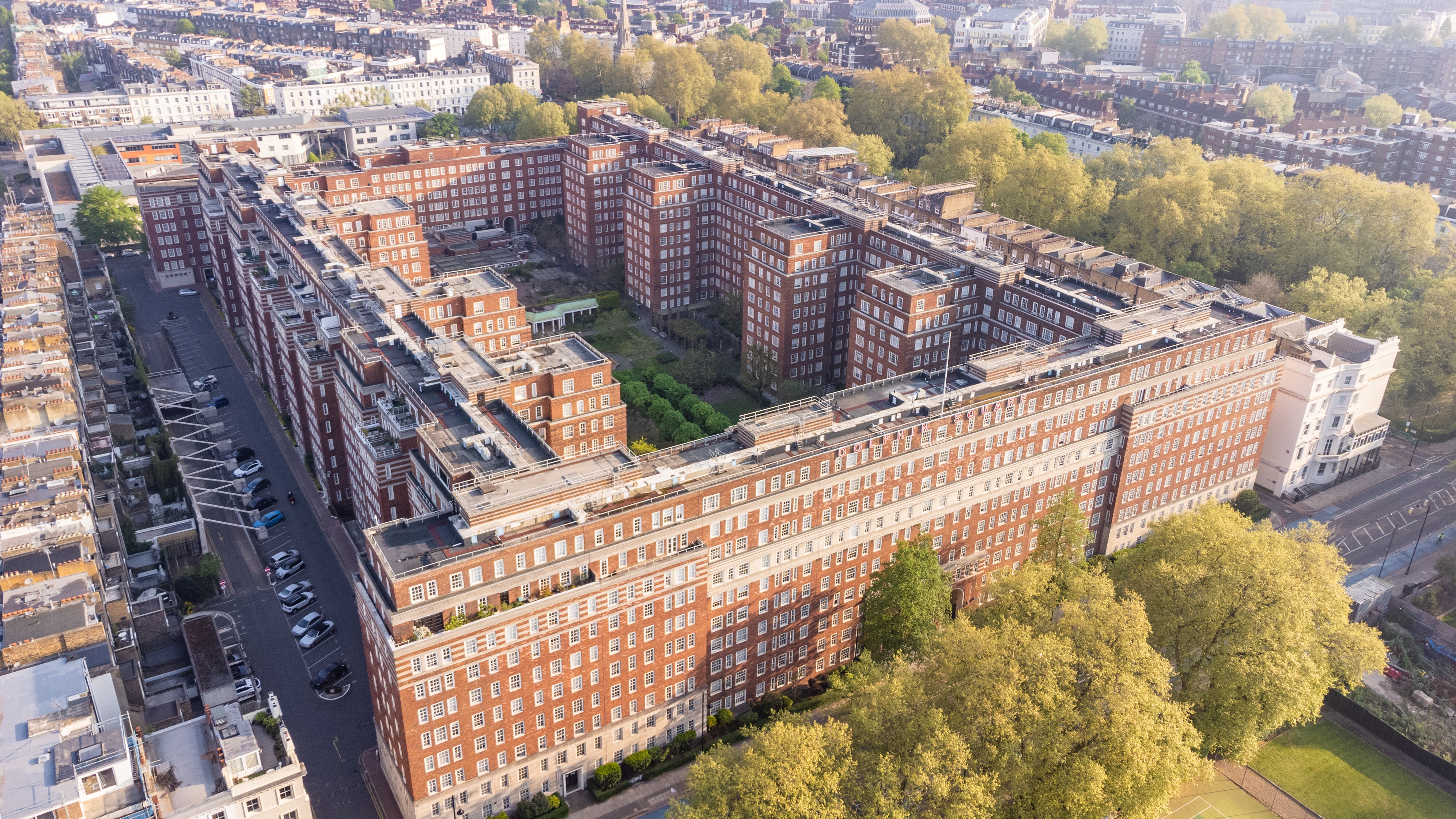
In the current climate, the construction industry is often preoccupied with the "new." Yet, the regeneration of Dolphin Square in Pimlico offers a compelling argument for the enduring value of the humblest of building materials: the clay brick.
As a prime example of neo-Georgian architecture, the estate’s identity is inextricably linked to its masonry. By focusing on the sustainable conservation of its original brick fabric, the project serves as a definitive case study in avoiding greenwashing through genuine material circularity and long-term performance.
The Longevity of Clay as a Carbon Strategy
At Dolphin Square, sustainability was not an afterthought, it was embedded in the decision to retain over 90% of the existing structural brickwork and masonry.
Clay brick is inherently sustainable due to its extraordinary lifespan, exceeding 150 years. Working alongside architect GRID, the project team prioritised restoration over demolition, avoiding the "carbon spike" associated with manufacturing and transporting entirely new structural materials. This approach directly addresses the issue of embodied carbon, keeping the energy already spent in 1937 locked within the walls of the estate.
Precision Matching with wienerberger
A critical challenge in heritage restoration is ensuring that any necessary repairs or subtle extensions do not jar with the historic aesthetic. To maintain the estate’s iconic visual continuity, wienerberger’s Grove Orange Multi was selected.
Supplied by Taylor Maxwell, this specific clay brick was chosen for its ability to:
- Mimic the Original Tones: The multi-tonal orange hues harmonise with the weathered 1930s façade.
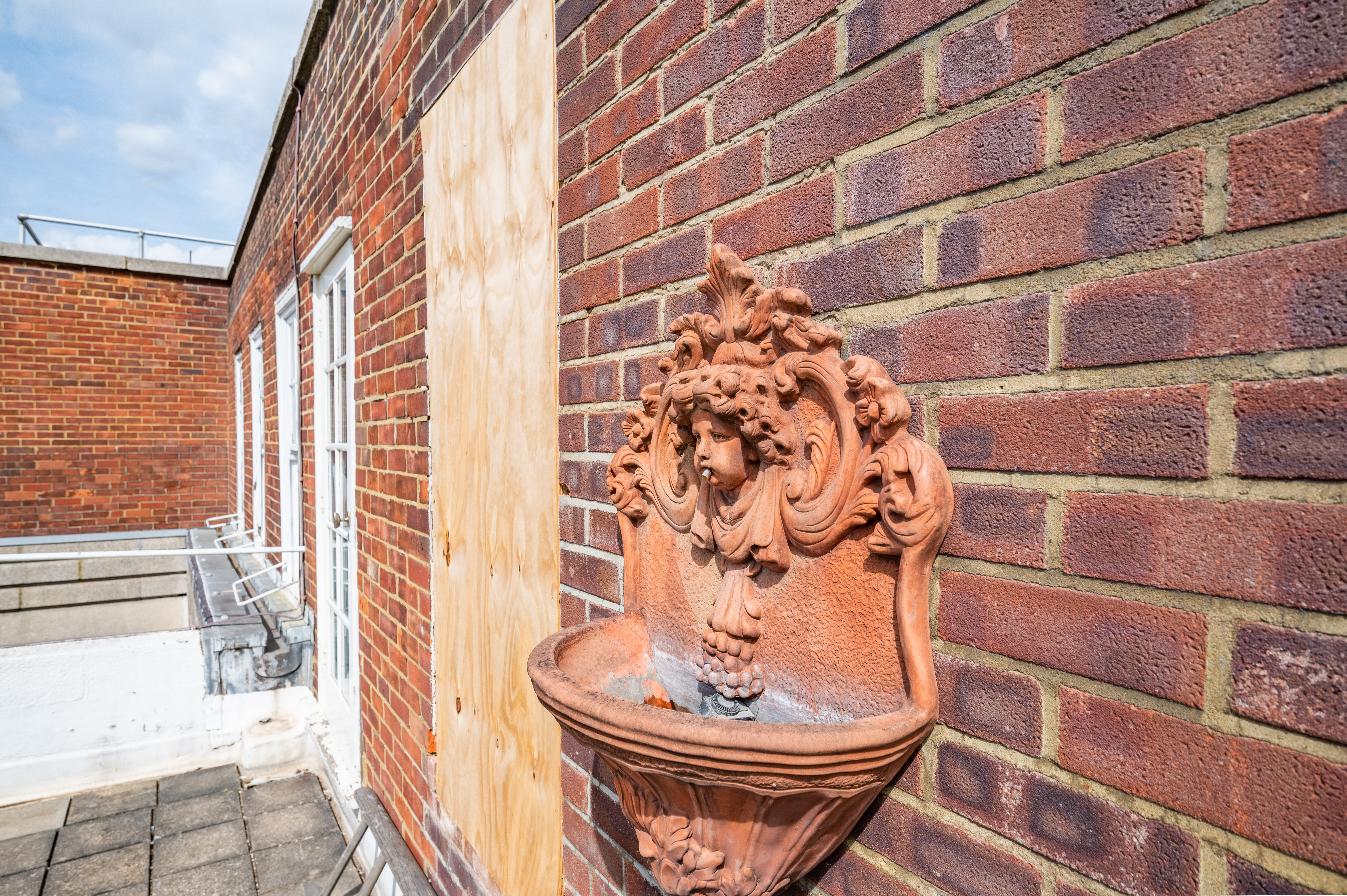
- Ensure Structural Compatibility: Using a like-for-like clay material ensures the building continues to breathe and move as originally intended, preventing the moisture issues often associated with mixing modern synthetic materials with historic masonry.
- Uphold Heritage Standards: The use of high-quality clay bricks met the stringent requirements of the Pimlico conservation area and Grade II-listed garden settings.
Enhancing Performance Without Compromising Character
While the clay brick provided the "bones" of the project, the sustainability goals required a radical improvement in thermal efficiency. The beauty of the brickwork is that it provides a robust, stable exterior that allowed for sophisticated internal retrofitting:
- Thermal Mass: The existing thick brick walls provide high thermal mass, helping to regulate internal temperatures naturally.
- Invisible Upgrades: By focusing on roof insulation, bespoke double-glazing, and 150 air source heat pumps, the team achieved an 80% reduction in energy demand without altering the historic clay face of the buildings.
- The Transition to Low-Carbon: The retention of the brick fabric provided the perfect shell for the installation of Mechanical Ventilation with Heat Recovery (MVHR) and 400 solar panels, proving that traditional masonry is the ideal partner for renewable technology.
By treating the original clay brick as a high-value asset rather than a disposable commodity, Dolphin Square demonstrates that true sustainability is found in the preservation of quality. It is a celebration of masonry as a resilient, beautiful, and low-carbon solution for the future of London’s housing.
Brick Bulletin | Feature 288


