
Between 2014 and 2023, Clare College, Cambridge undertook a £12.5 million transformational project to upgrade its Old Court Building, one of the college’s most significant historic assets. Grade I listed and dating in part to the sixteenth century, the building occupies a central role in college life. The challenge was clear: how to equip this historic fabric for 21st-century education while preserving the architectural character that defines it.
At the heart of this careful evolution was brickwork, both as a material and as a craft discipline, playing a vital role in maintaining continuity while accommodating change.
Respecting Historic Fabric Through Brickwork
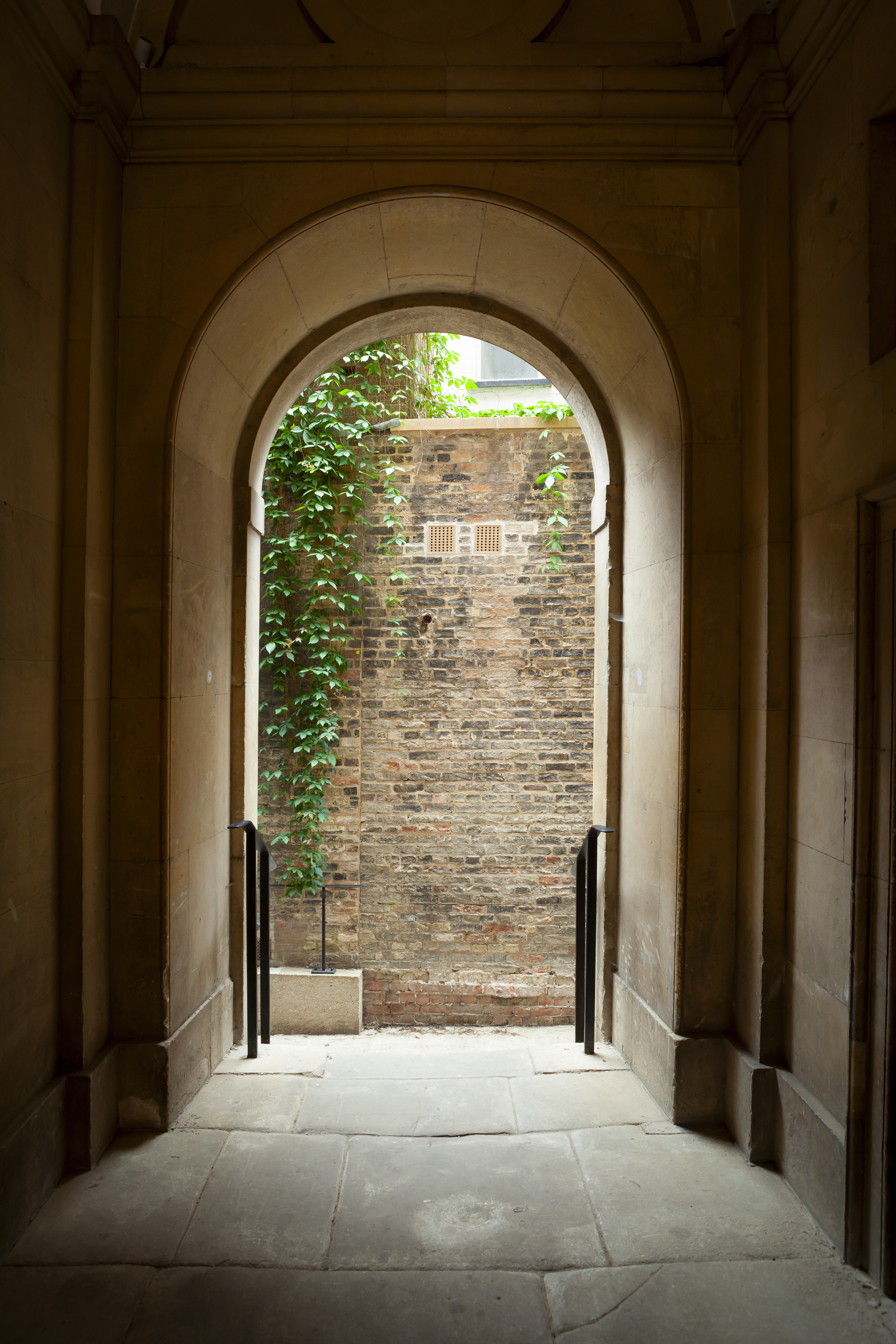
Externally, Clare College has remained largely unchanged since the mid-eighteenth century. Behind this familiar façade, however, the story has always been one of adaptation. The compact nature of the site, combined with the Grade I listing of the buildings and Grade II listing of the gardens, meant that every intervention required exceptional care.
One of the most technically demanding aspects of the project was the piecemeal formation of new openings and penetrations into the historic façade, parts of which date back to the sixteenth century. Achieving this without visual disruption demanded rigorous control over materials and workmanship.
Under the direct supervision of Witherford Watson Mann and in close consultation with Cambridge City Council’s conservation officers, brick selection and mortar specification were treated as critical design decisions. Natural Hydraulic Lime mortar was specified to ensure breathability and long-term compatibility with the existing masonry, an approach firmly rooted in best conservation practice.
Brick matching was equally exacting. A combination of HG Matthews Light Multi Handmade Imperial bricks and York Handmade Brick Company’s Hunsingore & Lindum Red Blend was carefully selected to reflect the colour, texture and scale of the original fabric. These bricks allowed new work to sit comfortably alongside historic masonry, reinforcing visual coherence while remaining honest in execution.
The brickwork contractor, Anglian Brickwork Ltd, brought specialist knowledge and craftsmanship essential to working within such sensitive constraints, demonstrating once again the value of skilled bricklayers in heritage settings.
Making Space Where None Appeared to Exist
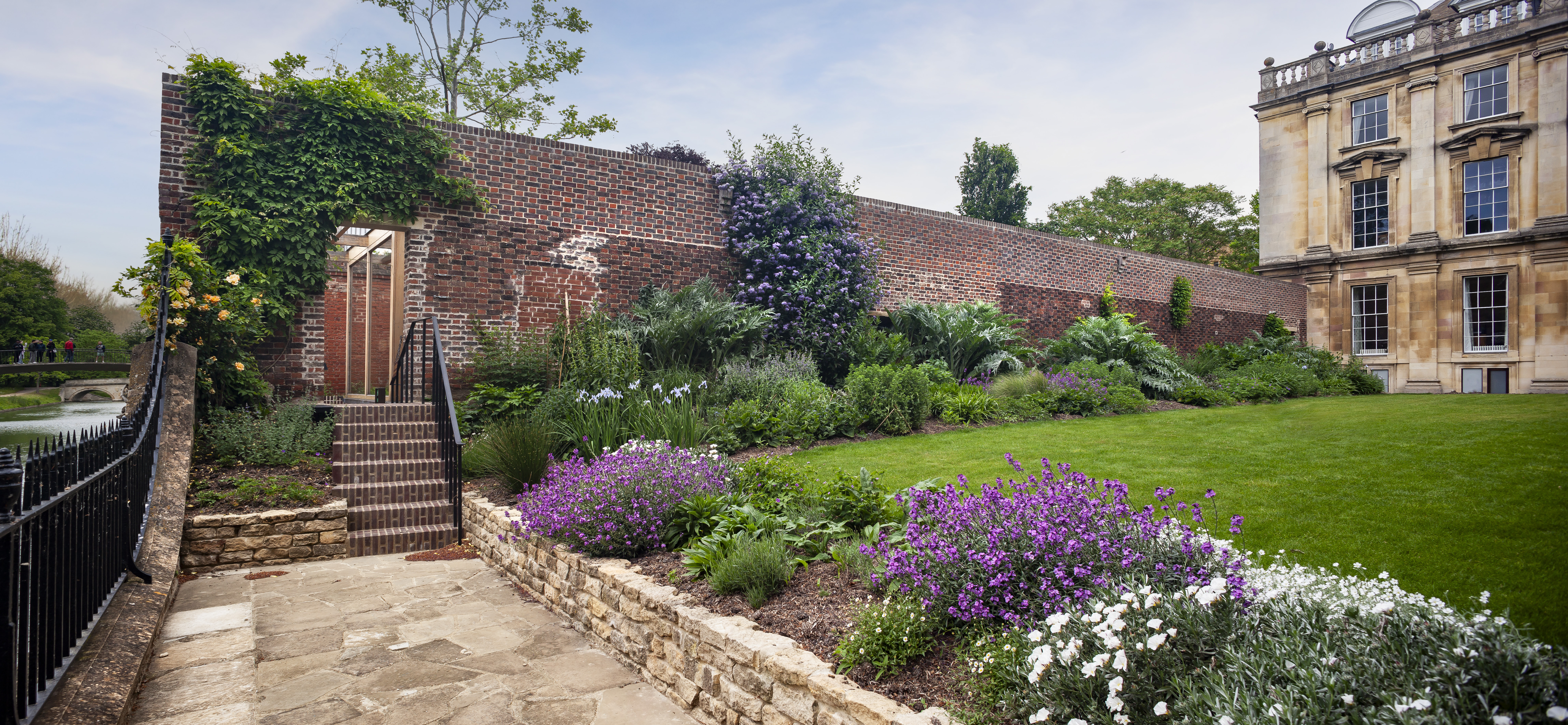
While much of the work focused on upgrading and adapting the existing structure, the project also identified an unlikely opportunity for new development: a narrow wedge of land between two historic brick garden walls to the rear of the college.
This space, highly constrained and initially difficult to read, became the site of a new riverside café and river room beside the Cam. Brick played a subtle but essential contextual role here. The new addition responds to the rhythm of historic chimneys, garden walls and fenestration, ensuring the intervention feels rooted in its surroundings.
Although the new structure itself is constructed entirely from laminated oak, assembled on site with remarkable precision, the brick garden walls remain a defining presence, anchoring the building within the historic landscape. Creepers climbing the brickwork and trellising beside the river reinforce the long-standing relationship between masonry and nature within the college setting.
Brick as a Constant in a Changing Environment
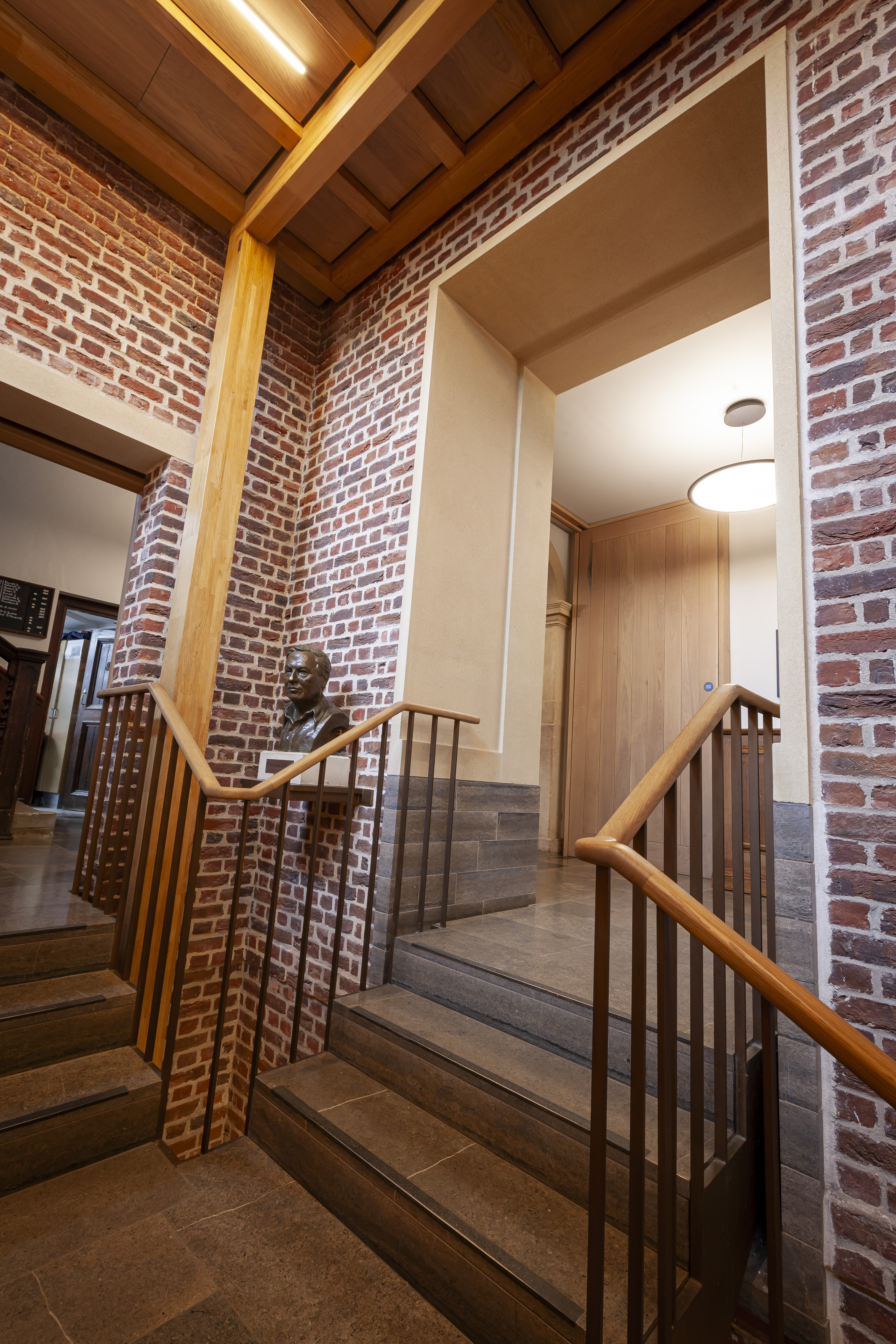
Internally, the new river room offers a warmer, more informal counterpoint to the college’s formal hall. Earthy materials, generous daylight and carefully considered proportions create a space that supports both everyday use and larger events, strengthening Old Court’s role in the social and academic life of the college.
What this project demonstrates so clearly is brick’s enduring value in complex, layered environments. Whether through meticulous repair, sensitive adaptation, or contextual framing of new architecture, brick continues to provide durability, flexibility and visual continuity, qualities essential to the long-term stewardship of historic buildings.
At Clare College, brick has not merely been preserved; it has been actively engaged as part of a living, evolving institution. This thoughtful approach ensures that Old Court remains fit for purpose today, while retaining the material authenticity that will serve future generations just as well.
Brick Bulletin | Feature 276


