
Completed in May 2024, the Oscar Innovation Centre (OIC) in Medway, Kent, is a commercial development built on the regenerated site of a former cement works. The project demonstrates how clay brick can be used as a durable, technically capable building material within a contemporary commercial building, while also supporting long-term environmental performance through design and construction choices.
Design: A material-led approach
From the outset, the design team sought a robust and long-lasting external envelope that could respond to the site’s industrial heritage. Clay brick was selected as the principal cladding material because of its durability, low maintenance requirements and established performance in the UK climate.
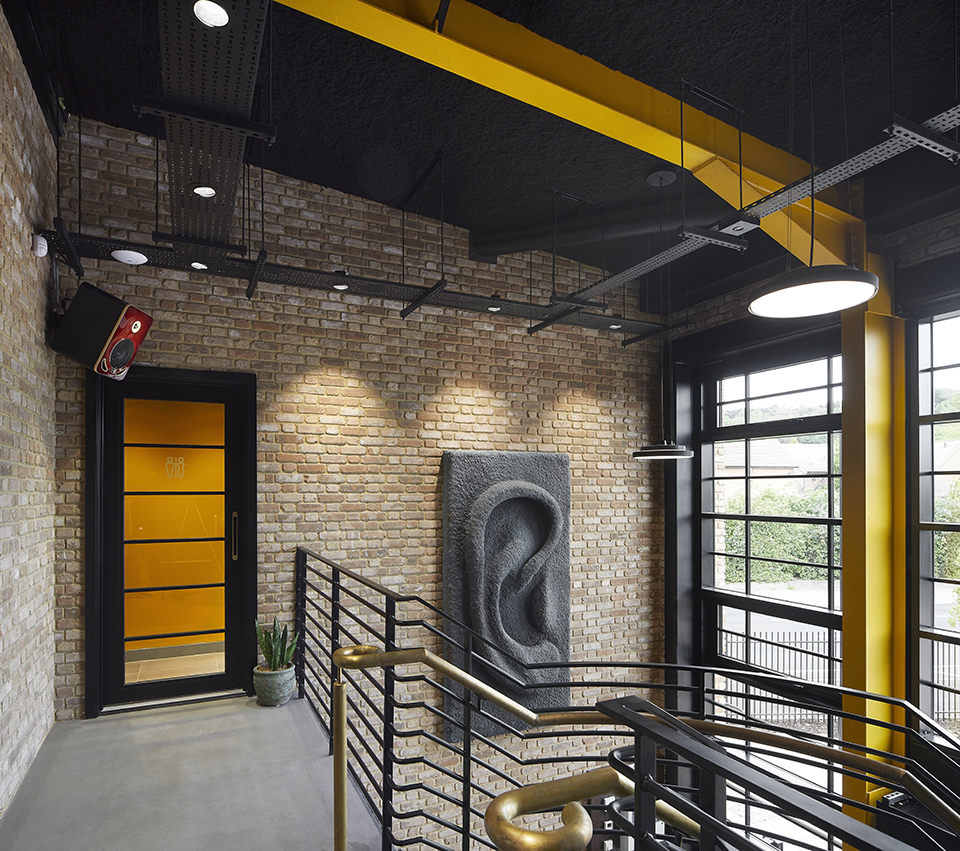
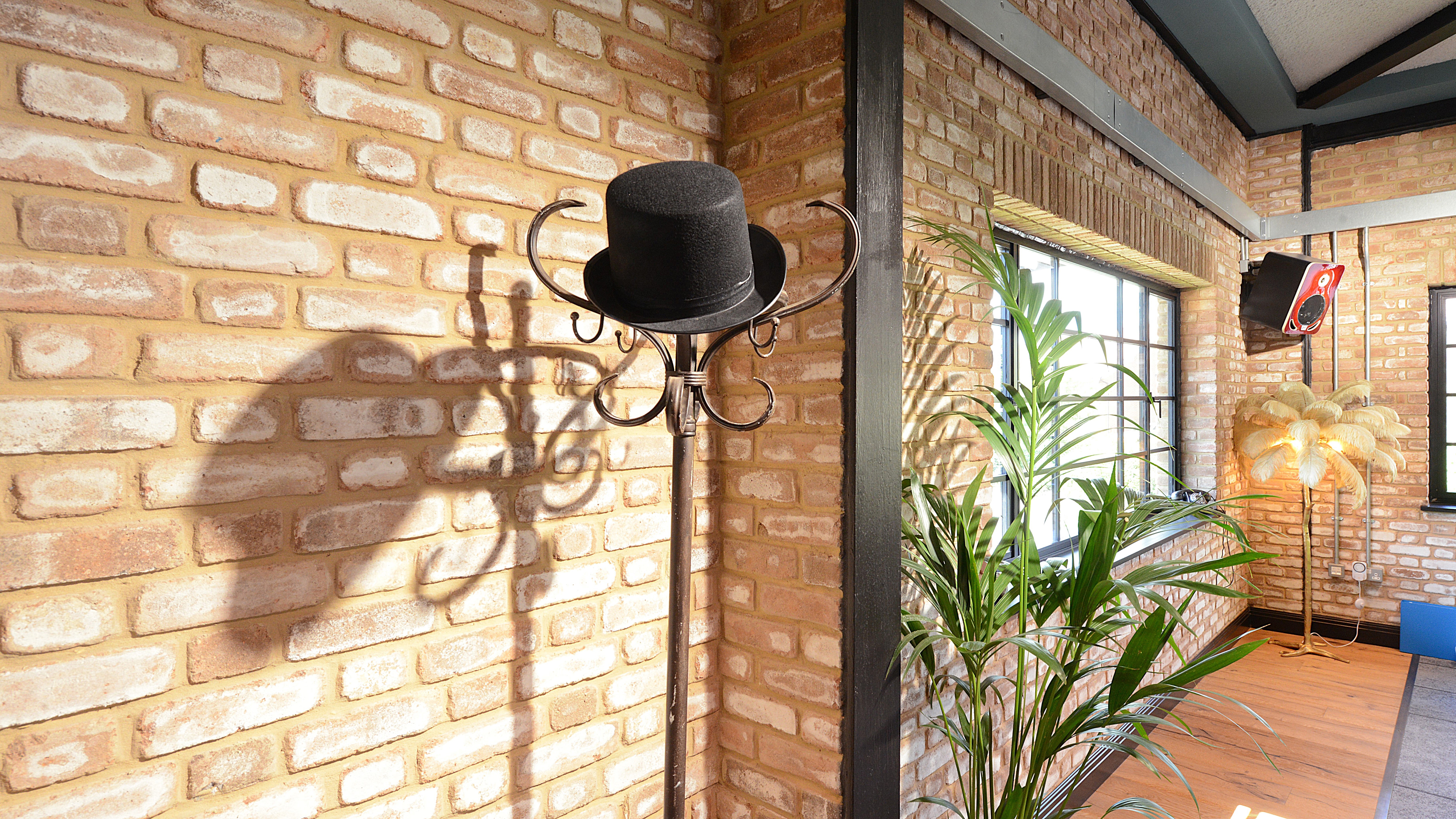
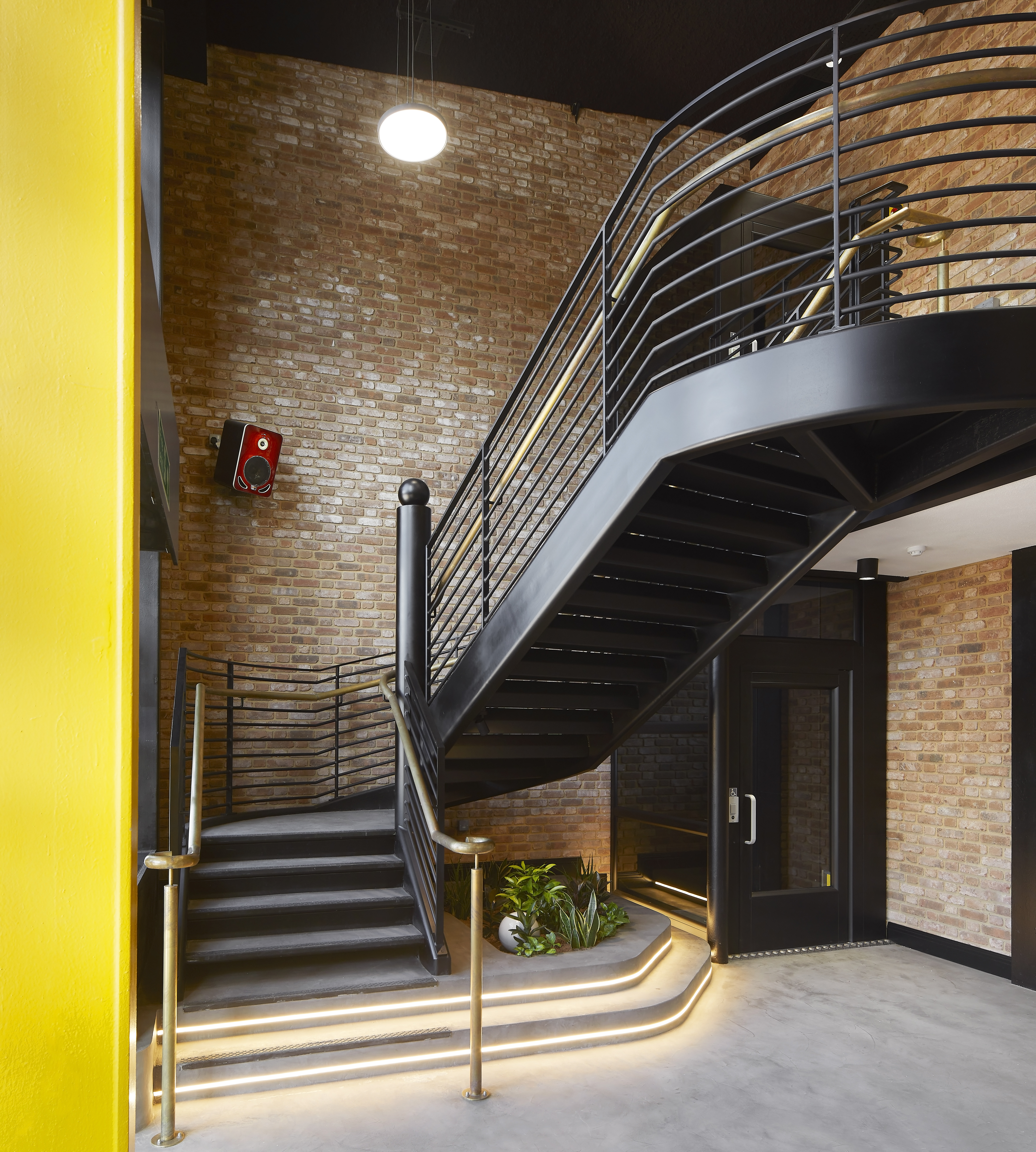
Around 55% of the building envelope is constructed in clay brick, forming the external façade as well as selected internal feature walls. Retro Barn Stock bricks from wienerberger, with their textured and varied appearance, were chosen to reference the character of traditional industrial brickwork associated with the site’s past.
Brickwork detailing played an important role in the architectural expression of the building. Precision-cut specials and bespoke brick-clad lintels were used to form deep window reveals and pronounced piers. Many brick elements were cut off-site and fixed to structural components, allowing exposed brick surfaces internally while maintaining a modern insulated structure behind. This approach allowed the building to retain the visual qualities of solid masonry while meeting contemporary construction requirements.
Decisions regarding bond pattern, mortar colour and joint finish were finalised on site using sample panels to ensure consistency and quality of workmanship.
Construction and material performance
Construction methods and material choices were intended to support durability and efficient building performance over the building’s lifespan. Clay brick contributes to this through its resistance to weathering, long service life and minimal maintenance requirements. Unlike many façade systems, brickwork typically does not require coatings, replacement panels or frequent repair, reducing intervention over time.
The use of clay brick also contributes thermal mass to the building envelope. This characteristic allows the masonry to absorb and release heat gradually, helping to moderate internal temperature fluctuations and supporting stable indoor conditions when combined with appropriate insulation and ventilation strategies.
Building operation
The building incorporates roof-mounted photovoltaic panels and has achieved a high EPC rating. While operational energy performance is determined by a range of factors, including building services and management, the masonry envelope plays a role by contributing thermal stability and long-term durability.
Exposed internal brickwork has also been used as part of the interior design, reducing the need for additional surface finishes and providing a robust internal wall surface suitable for a busy commercial environment.
Regeneration and local context
The Oscar Innovation Centre forms part of the regeneration of a former industrial site, transforming disused land into a functioning commercial workspace. The building now provides office and business accommodation and has introduced new activity to the area. The development has also been recognised with a Green Plaque certification, an independent assessment that reviews environmental design, construction and operational performance.
By using clay brick as the primary external material, the project draws on a long-established construction tradition while demonstrating how brickwork can be integrated into contemporary commercial architecture. The result is a building designed for longevity, adaptability and continued use over many decades.
Brick Bulletin | Feature 285


