
As the UK's built environment continues to evolve, retrofit projects are playing an increasingly important role in improving existing buildings and extending their useful life.
Around 80% of buildings expected to be in use in 2050 have already been built, highlighting the importance of adapting existing assets to meet changing needs while retaining the qualities that make them valuable.
Architects, developers and building owners are looking for solutions that improve buildings while respecting their architectural character, existing fabric and wider context.
Although building performance is often a key driver for retrofit, successful outcomes rely on a much broader set of design considerations. Material selection, durability, appearance, detailing and the relationship between old and new can all influence how successfully a building is adapted and how positively it contributes to its surroundings.
The Wider Value of Retrofit
Retrofit can deliver a range of benefits beyond improving the appearance or use of an individual building. Depending on the scope of a project, it can help improve energy performance, occupant comfort, safety and resilience, while making better use of existing structures and, where appropriate, reducing the need for demolition.
It can also support the continued use of buildings that contribute to the identity of their communities, retaining established materials and architectural features while adapting spaces to meet contemporary needs.
These considerations are closely connected to design. The materials selected, the way new elements meet existing fabric and the relationship between performance, appearance and longevity can all influence the success of a retrofit project.
This blog focuses on those design considerations and explores how clay brick can help architects renew existing buildings, reinforce their character and reimagine them for the future.
Renew Existing Buildings
Retrofit provides an opportunity to renew buildings, extend their useful life and respond to changing needs and expectations without losing the qualities that give them their identity.
Whether adapting homes, educational facilities, commercial properties or public buildings, retrofit projects must respond to the constraints and opportunities presented by the existing building and its fabric. Material selection is therefore an important part of the design process.
Clay brick offers architects a wide range of design possibilities through its variety of colours, textures, sizes and finishes. This flexibility allows designers to respond to the character of an existing building, the surrounding streetscape and local planning considerations while delivering a cohesive architectural solution.
The ability to carefully integrate new interventions with existing building fabric can help ensure that retrofit projects respect the identity of a place while supporting its continued use into the future.
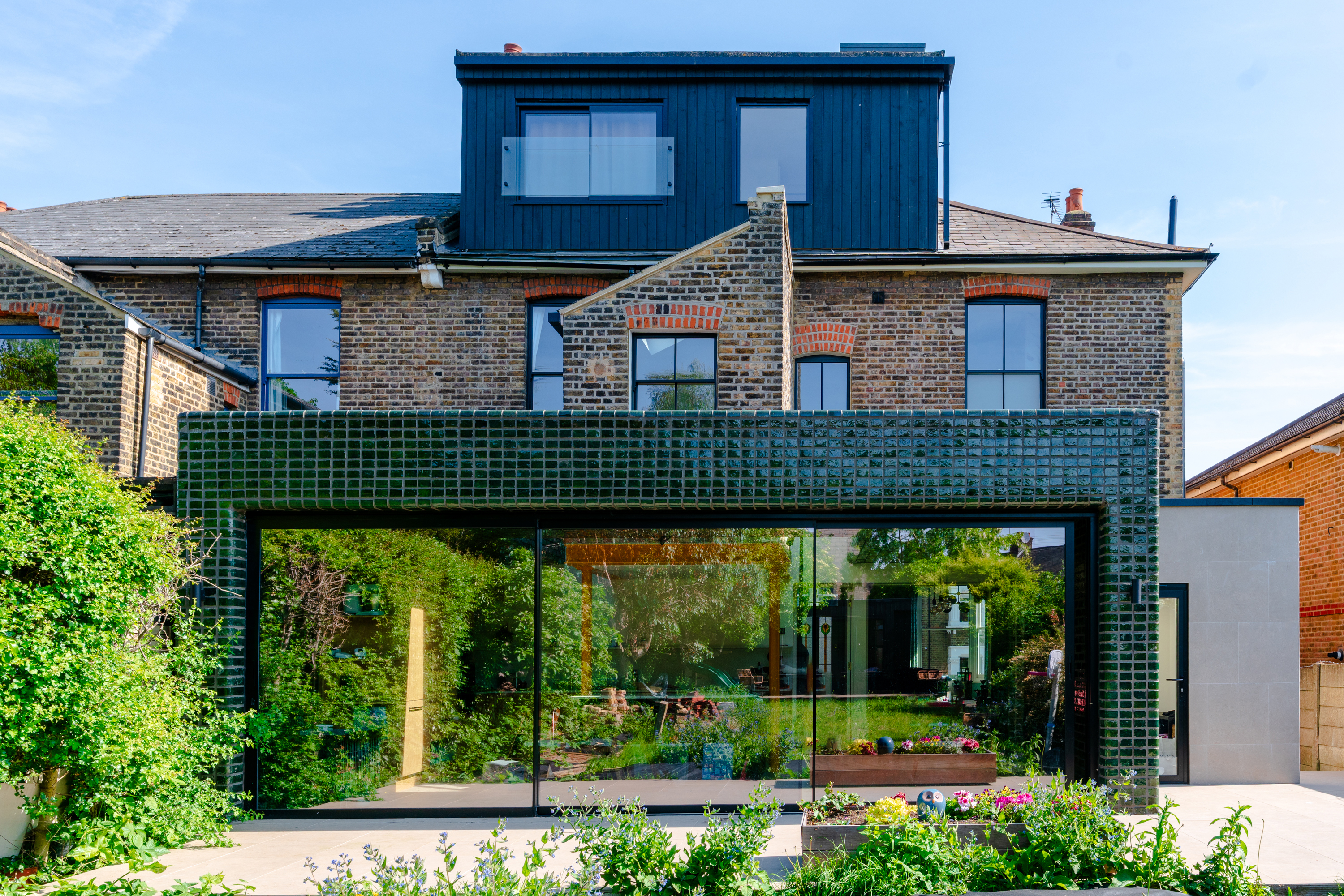
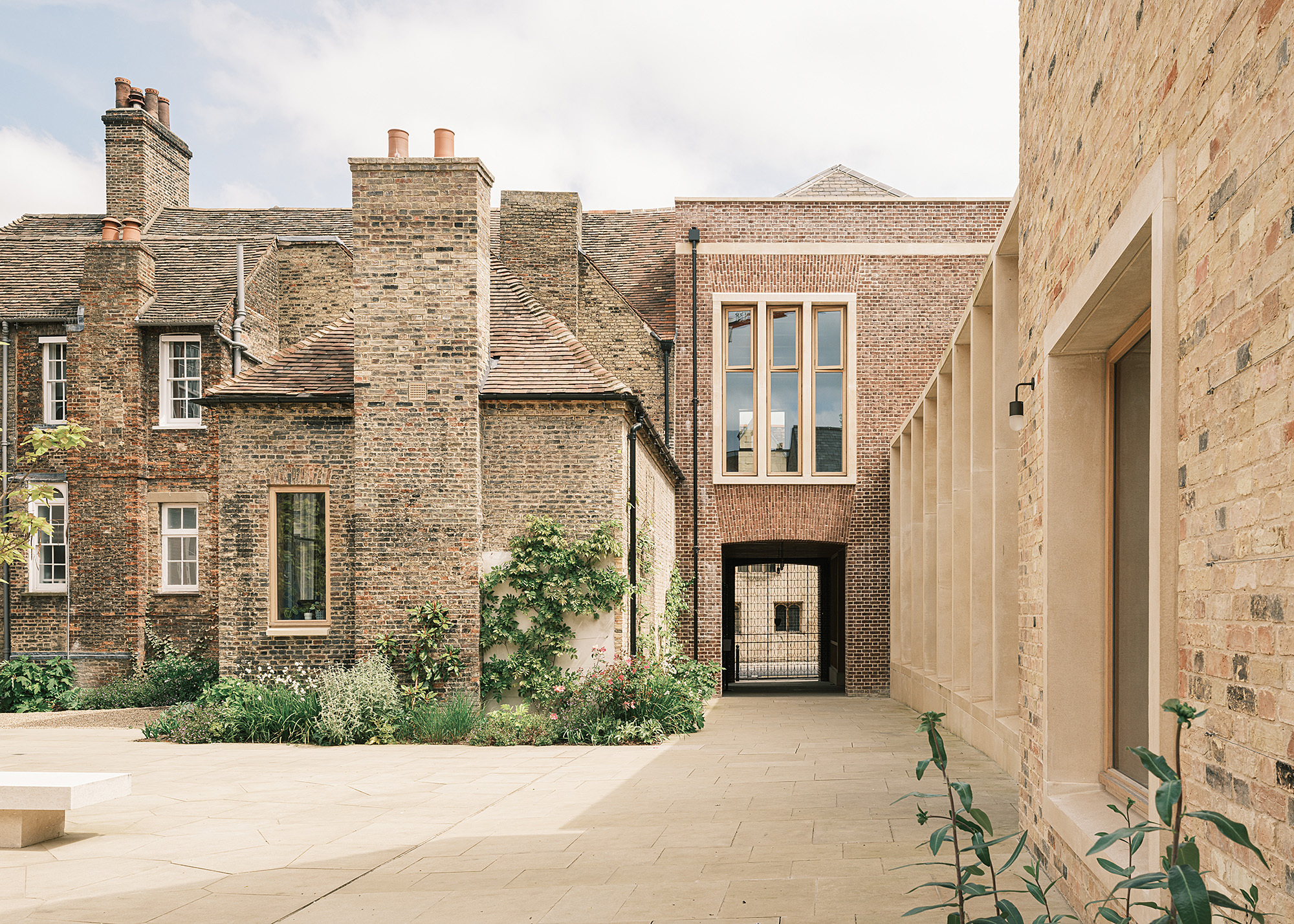
Reinforce Architectural Character
Many buildings contribute significantly to the character and identity of their local area.
When undertaking retrofit projects, architects are often challenged with retaining these qualities while accommodating new requirements. Rather than viewing retrofit as a purely technical exercise, it can be approached as an opportunity to reinforce the architectural strengths that already exist.
Clay brick has long been a defining feature of the UK's built environment, appearing across residential, commercial, civic and industrial architecture. Its familiarity within many local contexts can help support design approaches that acknowledge existing character while creating a clear distinction between old and new.
This balance can be particularly valuable where designers are seeking to retain visual continuity across a development or strengthen connections with surrounding buildings and streetscapes.
Reimagine Design Possibilities
Retrofit should not be viewed as a constraint on creativity.
Every building presents unique opportunities for transformation, and successful projects often demonstrate how thoughtful design can breathe new life into existing structures.
Clay brick provides architects with considerable design freedom through:
- A broad palette of colours and textures
- Contemporary and traditional aesthetic options
- Flexible detailing opportunities
- Compatibility with a wide range of architectural styles
- The ability to complement or contrast existing materials
This versatility enables retrofit schemes to respond to site-specific requirements, helping designers create buildings that are both functional and visually engaging.
Whether delivering a contemporary extension, adapting an existing façade or undertaking a comprehensive refurbishment, material choice plays a key role in shaping the final architectural outcome.
A Material for Long-Term Thinking
Retrofit projects represent long-term investments in the built environment.
As a result, building owners and design teams often consider how materials will perform over time, including aspects such as appearance, maintenance requirements and resilience to everyday use.
Clay brick has an established track record across a wide range of building types and continues to be specified where durability and long-term visual quality are important considerations.
By taking a holistic view of retrofit, one that includes character, context, appearance and longevity alongside technical performance, architects can help create buildings that continue to contribute positively to their surroundings for years to come.
Looking Ahead
With much of the UK's future building stock already standing, retrofit will remain a central part of the conversation about the built environment.
The most successful projects will be those that look beyond performance targets alone and consider how buildings are renewed, how architectural character is reinforced and how spaces can be reimagined for future generations.
Clay brick offers architects the flexibility to renew, reinforce and reimagine existing buildings, supporting retrofit projects that balance practical requirements with high-quality design.
Want to explore the role of material selection in retrofit design?
Click for technical guidance, project inspiration and design considerations for architects and specifiers.
*Sources
House of Commons Energy Security and Net Zero Committee, Retrofitting Homes for Net Zero (2025)
UK Parliament POST, Net Zero and the UK's Historic Building Stock (2025)


