
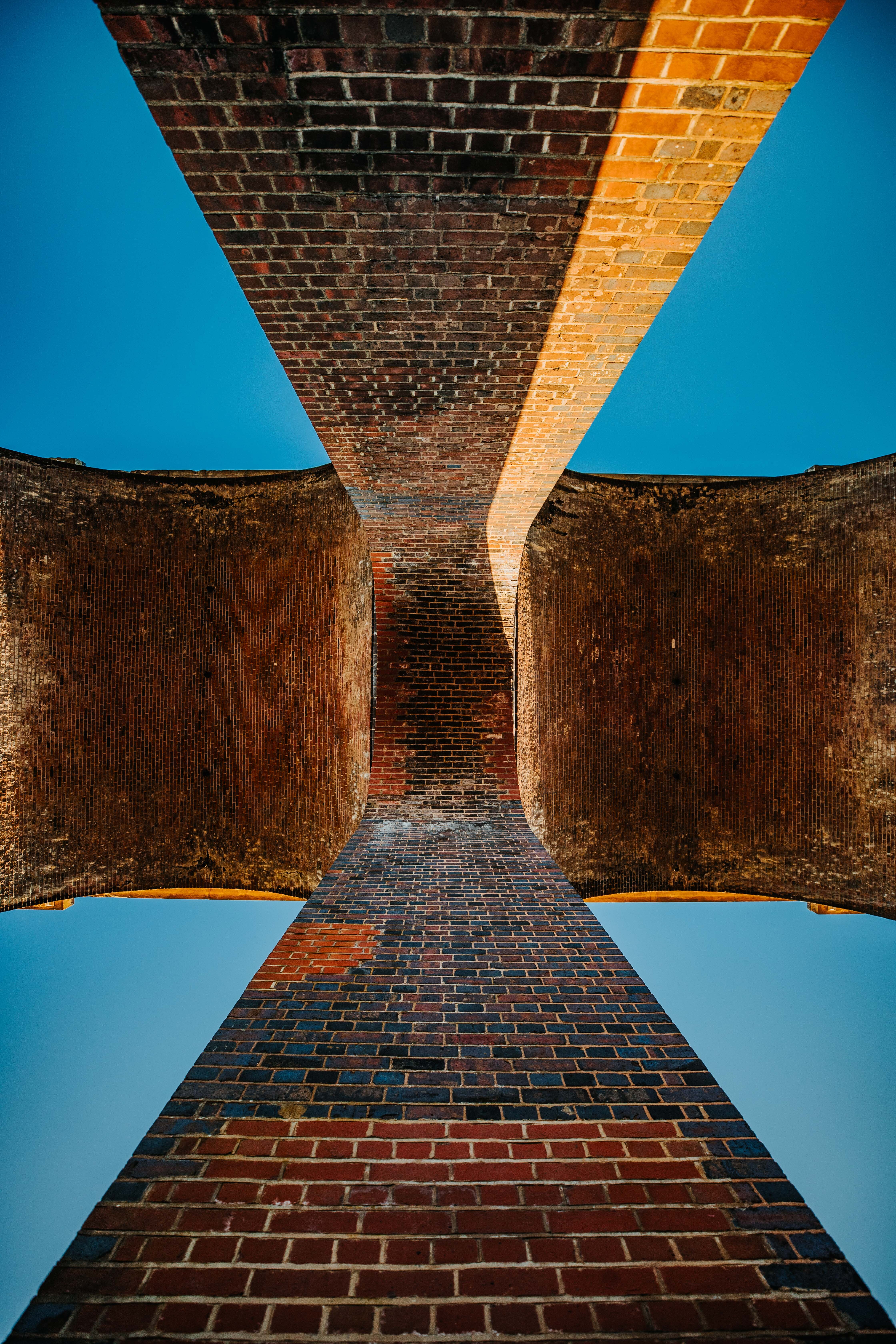
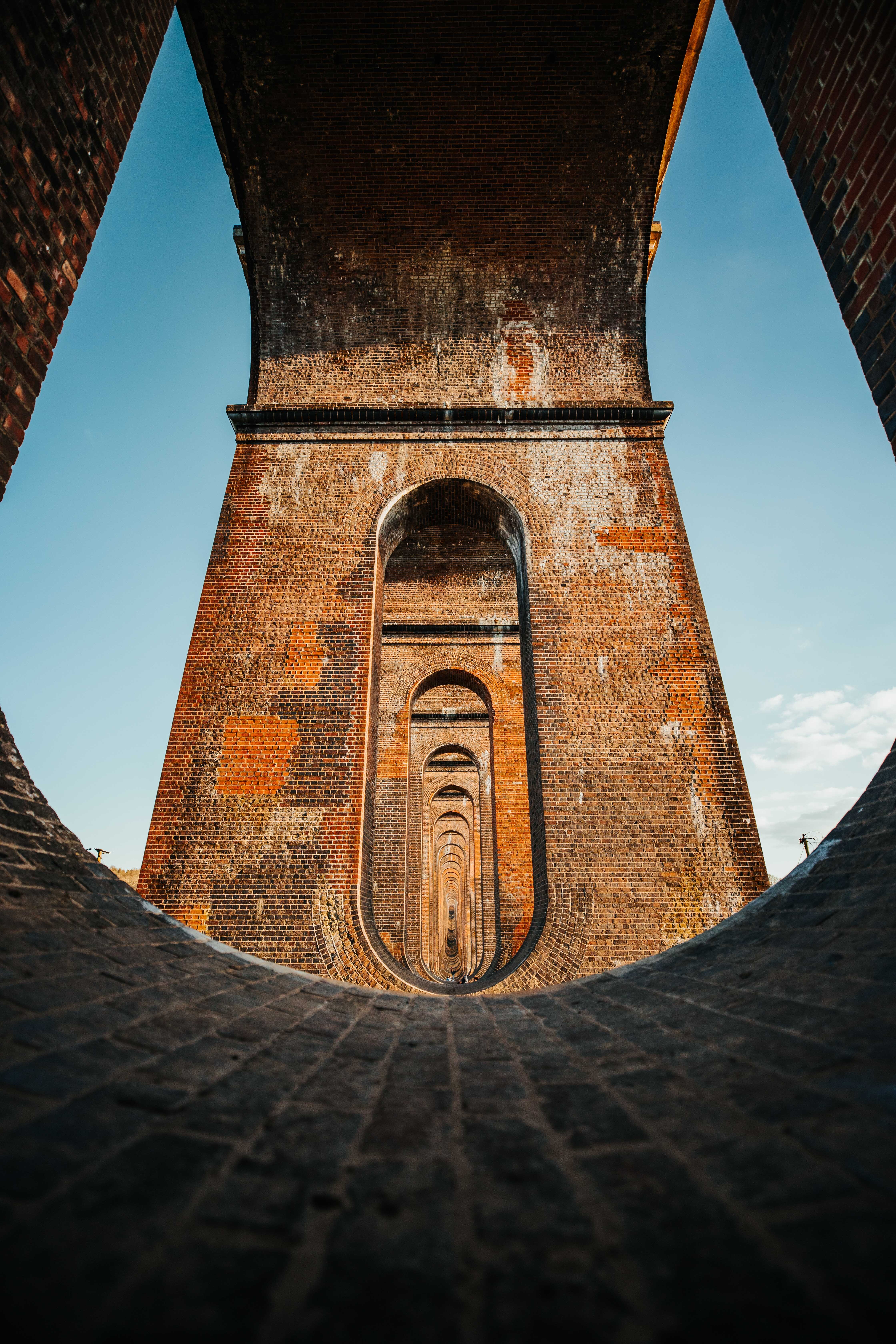
Often described as “probably the most elegant viaduct in Britain”, the Ouse Valley Viaduct is a monumental example of Victorian railway engineering and the enduring performance of clay brick.
Also known locally as the Balcombe Viaduct, the Grade II listed structure was completed in 1842 to carry the London to Brighton main line across the River Ouse valley in West Sussex. Measuring approximately 450 metres in length and rising to 28 metres at its highest point, it remains one of Britain’s most recognisable railway structures.
More than 180 years after its completion, the viaduct continues to carry around 110 trains each day. Having already exceeded its original design life of 120 years, it provides a powerful demonstration of the durability, strength, stability and aesthetic quality of clay brickwork.
Engineering with elegance
The viaduct was designed by pioneering railway engineer John Urpeth Rastrick in collaboration with architect David Mocatta. Together, they combined the practical demands of major railway infrastructure with carefully considered classical detailing.
The scale and rhythm of the clay brick arches give the structure its distinctive identity, while ornamental pavilions and limestone parapets provide a refined architectural finish. The result is a piece of infrastructure that is both highly functional and visually striking.
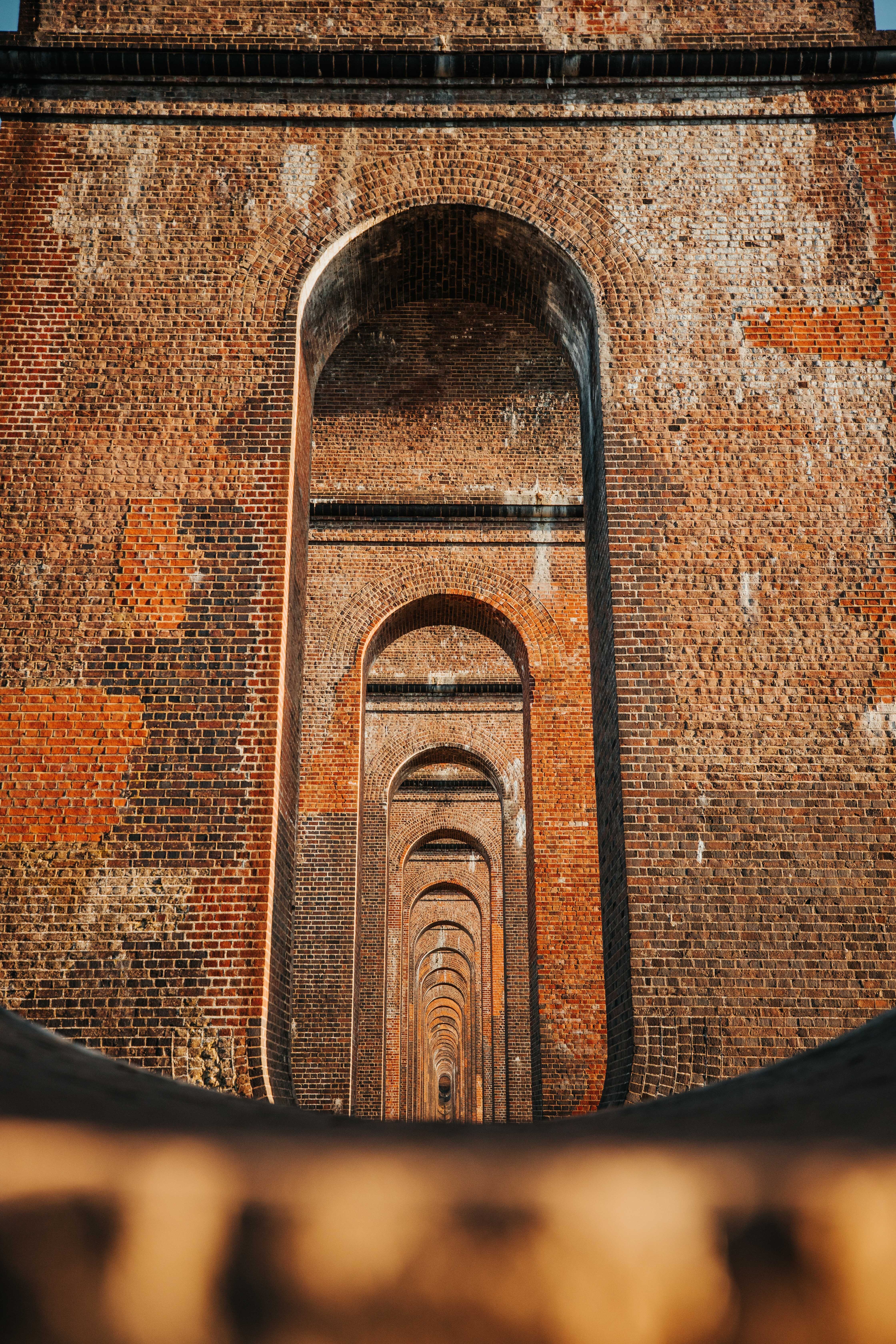
Its structural system is simple and clearly expressed. 37 circular clay brick arches are supported by distinctive pierced piers, which transfer the loads from the railway into the foundations below. The openings through the piers reduce their visual mass and create the celebrated long views through the length of the structure.
Arch construction is one of the earliest structural forms, with its potential developed extensively by the Romans. At the Ouse Valley Viaduct, this established principle was applied at an extraordinary scale using more than 11 million clay bricks, alongside limestone dressings for the parapets and decorative pavilions.
Multi ring clay brickwork
The viaduct’s arches are formed using multiple rings of clay brickwork. Each ring is bonded to those beside it, allowing the arch to act as a single cohesive structural element and distribute the substantial loads imposed by the railway above.
Over time, repeated dynamic loading from trains, together with weather exposure and the gradual deterioration of lime mortar, can introduce shear stresses between the brick rings. These stresses can cause the rings to separate, a process known as ring separation.
If left untreated, ring separation can reduce the load bearing capacity of an arch. Inspection, maintenance and carefully planned repairs are therefore essential to the continued performance of historic masonry railway structures.
At the Ouse Valley Viaduct, ongoing maintenance focuses on both the main arches and the openings within the piers. The work is designed to preserve structural integrity, maintain load capacity and extend the viaduct’s operational life while retaining the appearance and character of the original masonry.
Preserving historic clay brickwork
The viaduct has undergone several significant programmes of repair during its long service life.
Between 1996 and 1999, Railtrack, now Network Rail, carried out a major £6.5 million refurbishment programme. The work included repairs to the brickwork across the arches and piers, together with the replacement of severely weathered limestone parapets.
More recent repair work has required replacement bricks capable of meeting both the visual and structural demands of the historic fabric. Handmade clay bricks have been supplied by Michelmersh Brick Holdings PLC from its nearby Freshfield Lane factory.
Selecting an appropriate replacement brick is critical when repairing a structure of this significance. The new units must provide the required physical characteristics while complementing the colour, tone, texture and natural variation of the original nineteenth century brickwork.
Local manufacture can also reduce the distance materials need to travel to site. Combined with the use of compatible materials and skilled workmanship, this supports a considered approach to extending the life of the existing structure.
Clay brick built to endure
The continued operation of the Ouse Valley Viaduct demonstrates the long term value of well designed and properly maintained clay brick structures.
Its success lies not only in the quantity of brick used, but in the way the material works as part of a clearly understood structural system. The arches distribute loads efficiently, the piers provide stability and the brickwork brings strength, durability and character to the structure.
After more than 180 years of continuous service, the viaduct remains an important part of Britain’s railway network and a celebrated feature of the Sussex landscape. It stands as compelling evidence of the ability of clay brick to combine structural performance, adaptability and enduring architectural appeal.
Watch the ITV News feature to learn more about the restoration of the Ouse Valley Viaduct: Watch the restoration feature
Location: West Sussex
Brick manufacturer: Michelmersh Brick Holdings PLC
Clay Brick: Handmades from Freshfield Lane
Architect: John Rastrick and David Moccata
Brickwork contractor: AW Group
Brick Bulletin | Feature 311


