
Details
Location: Glasgow
Brick Manufacturer: Forterra PLC
Brick Names: Farmstead Antique, Cradley Specials
Architect: HAUS Collective
Brickwork Contractor: Sandy Clark Brickwork
About the project
Napiershall Street is a compelling example of heritage-led regeneration, transforming a deteriorating former school and its neglected surroundings into a vibrant new residential community in Glasgow's West End.
Designed in 1900 by renowned architect Robert Alexander Bryden, the former Napiershall Street School occupies a prominent position on the edge of the Glasgow West Conservation Area. Although unlisted, the building held considerable local significance. Following decades of changing uses, including offices and community space, it had fallen into disrepair, while the surrounding site had become dominated by hardstanding and surface parking that contributed little to the local environment.
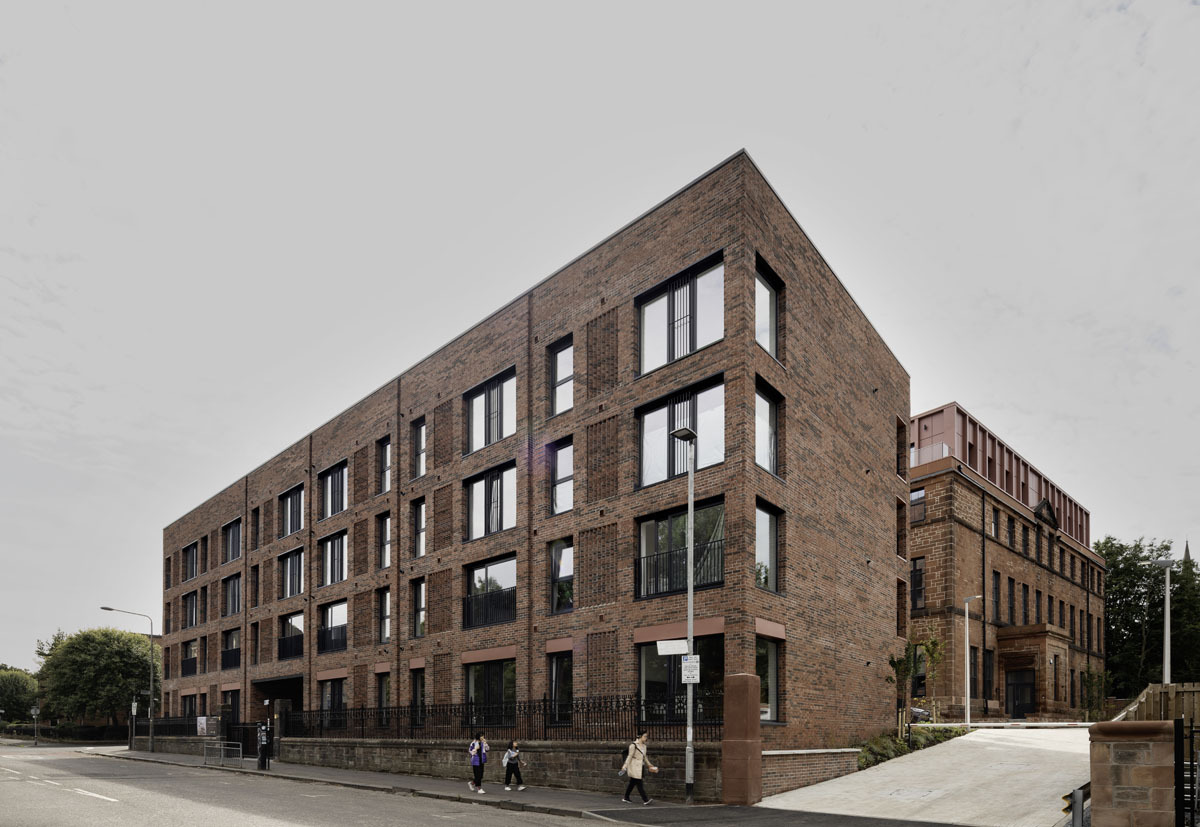
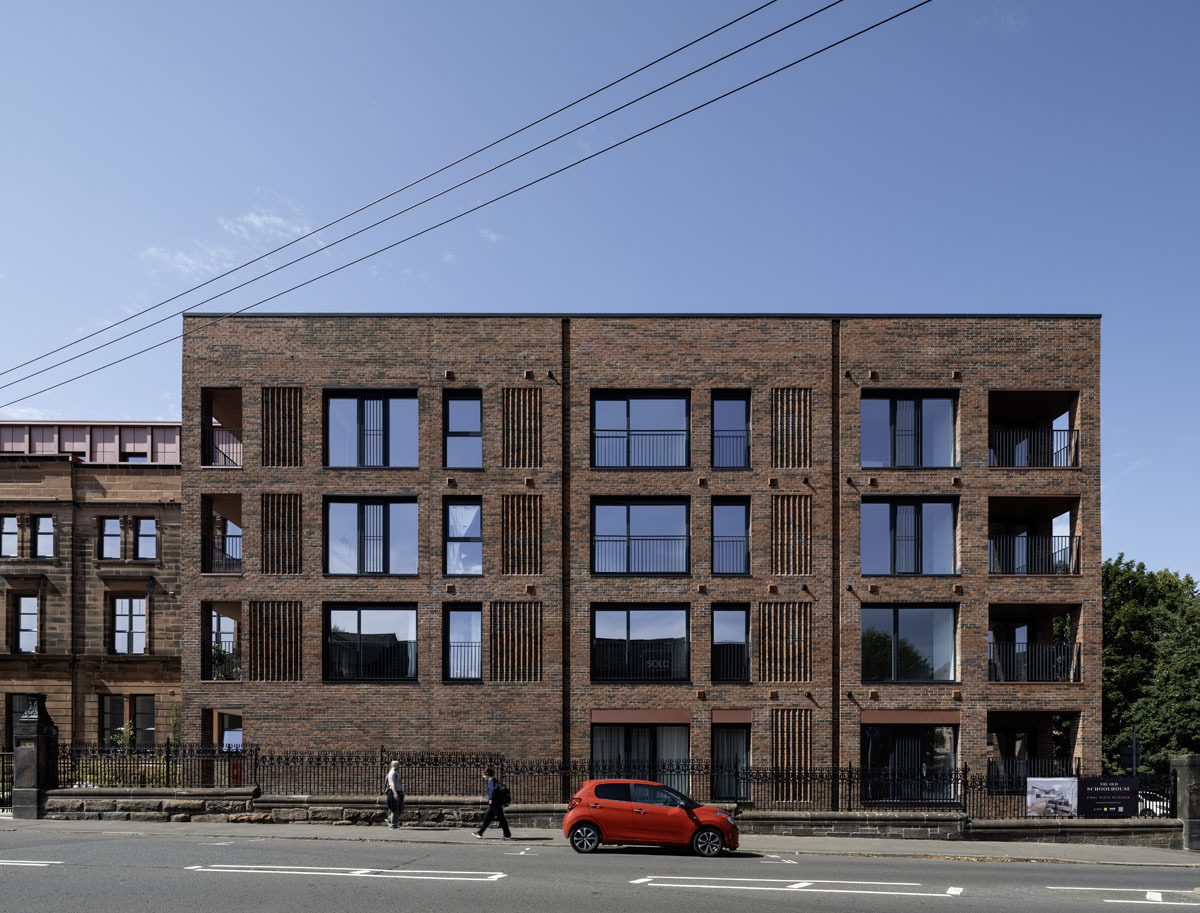
Working closely with Kelvin Properties from the earliest stages of acquisition, HAUS Collective developed a design-led strategy that unlocked the site's potential while placing the future of the historic school at the centre of the regeneration. The completed scheme delivers 49 new homes, comprising 24 apartments within the restored school building and 25 apartments within a contemporary four-storey residential block constructed on the former playground. Crucially, the new-build element provided the means to secure the long-term viability of the historic structure, demonstrating how carefully considered development can enable the preservation of important heritage assets.
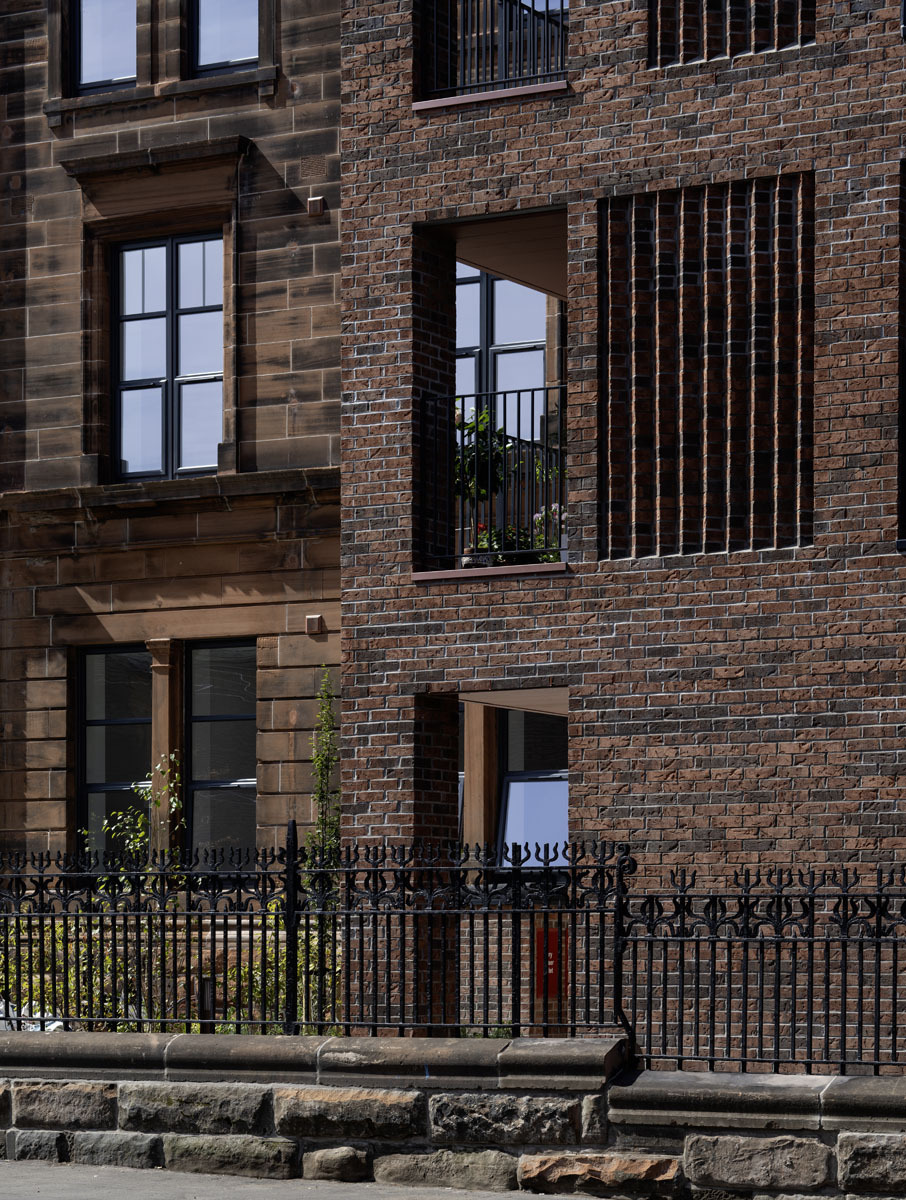
A philosophy of repair rather than replacement guided the restoration. Existing sandstone was retained in accordance with specialist advice, preserving the building's weathered character and historic patina. The contemporary addition was designed to complement rather than compete with the original architecture. Forterra Farmstead Antique brick was selected for its tonal richness and textured quality, creating a sympathetic relationship with the sandstone. Bespoke brick specials further reinforce this dialogue, most notably through distinctive sawtooth detailing inspired by the profile of the school's former glazed roof, reinterpreting a lost architectural feature in a contemporary expression.
The benefits of the project extend well beyond the buildings themselves. Areas of tarmac and underused land have been transformed into approximately 790m² of landscaped courtyards, communal gardens and rooftop amenity spaces that support biodiversity and resident wellbeing. A new pend linking North Woodside Road and Napiershall Street improves permeability and reconnects the site with its surrounding neighbourhood, creating a safer and more attractive environment for residents and the wider community.
Praised by the Glasgow Urban Design Panel for its contextual sensitivity and described by councillors as a "gold standard", Napiershall Street demonstrates the transformative power of regeneration. By combining conservation, contemporary architecture and thoughtful placemaking, the project safeguards an important piece of Glasgow's architectural heritage while delivering meaningful environmental, social and economic value for future generations.


