
Details
Location: London
Brick Manufacturers: Ketley Brick Company Ltd
Brick Names: Brown Antique Class A Brick
Architect: Witherford Watson Man
Brickwork Contractor: Romark Projects
About the project
Jerwood Space, in Southwark, is one of London’s primary creative hubs, providing affordable, high‑quality rehearsal studios for theatre, opera, and dance companies. Originally constructed in the 1870s as a school, the building had undergone various alterations before its initial conversion into an arts centre in 1998. Over time, the internal layout became restrictive: public areas felt increasingly confined, and the street frontage was disconnected from the surrounding neighbourhood.
The recent refurbishment by Witherford Watson Mann architects addresses these operational challenges by renewing the original robust Victorian structure, improving internal circulation, and expanding its public amenities.
Spatial and Structural Interventions
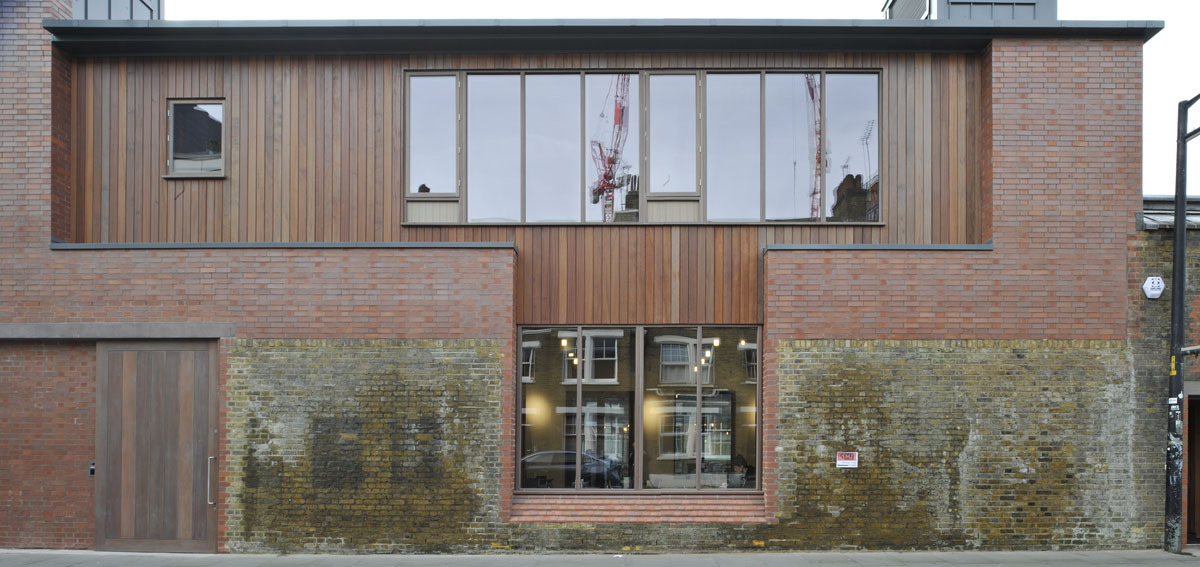
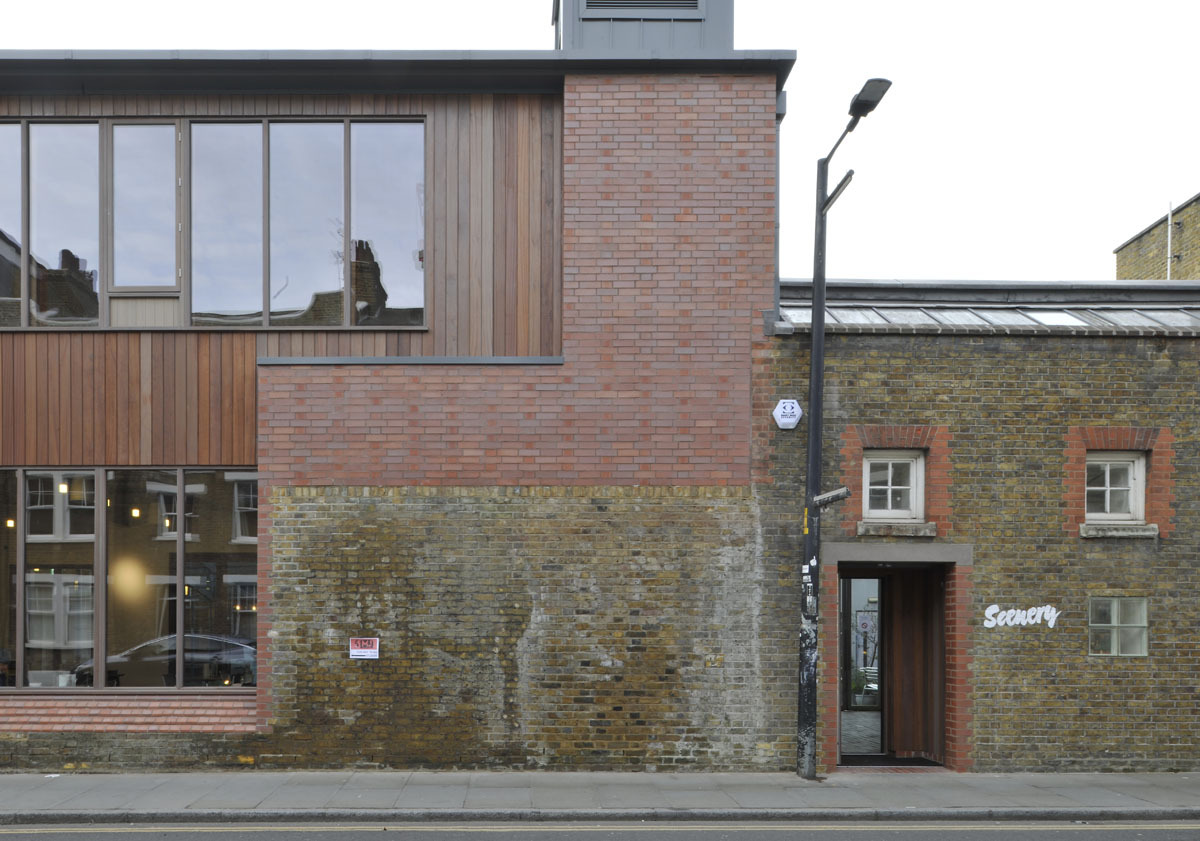
The project treats the existing building not as a static relic but as an adaptable framework, balancing preservation with targeted, carefully judged interventions. A key move was to establish a clearer relationship between the building and the Victorian street scene on Union Street. The architects replaced a largely blank façade with new glazed openings and an upgraded entrance sequence, making the building more visible, accessible, and outward‑looking.
Internally, the refurbishment rationalises the floor plan, resolving circulation inefficiencies by widening corridors and clarifying routes between rehearsal studios. The project also increases the facility’s capacity and flexibility through a new first‑floor meeting/rehearsal room and a new roof terracefor artists and staff. These additions are integrated into the existing fabric, respecting the scale and rhythm of the original Victorian school so that the new elements feel like a natural evolution rather than an imposition.
The Creation of Bespoke Brick Colours
Brickwork was central to the project’s architectural language. William Mann had specified Ketley products before and felt their Victorian heritage would suit this project well, but he sought a brick with greater colour variation than the standard Staffordshire palette. Ketley responded by trialling a low‑reduction firing process, carefully controlling oxygen levels within the kiln.
This development proved highly successful, creating a new Brown Antique brick with a distinct variation of pinky reds and purple tones, now incorporated into the Ketley range. The specific way the bricks were set on the kiln cars meant that the header bricks developed even greater variation than the stretchers, showing darker tones and natural hearting.
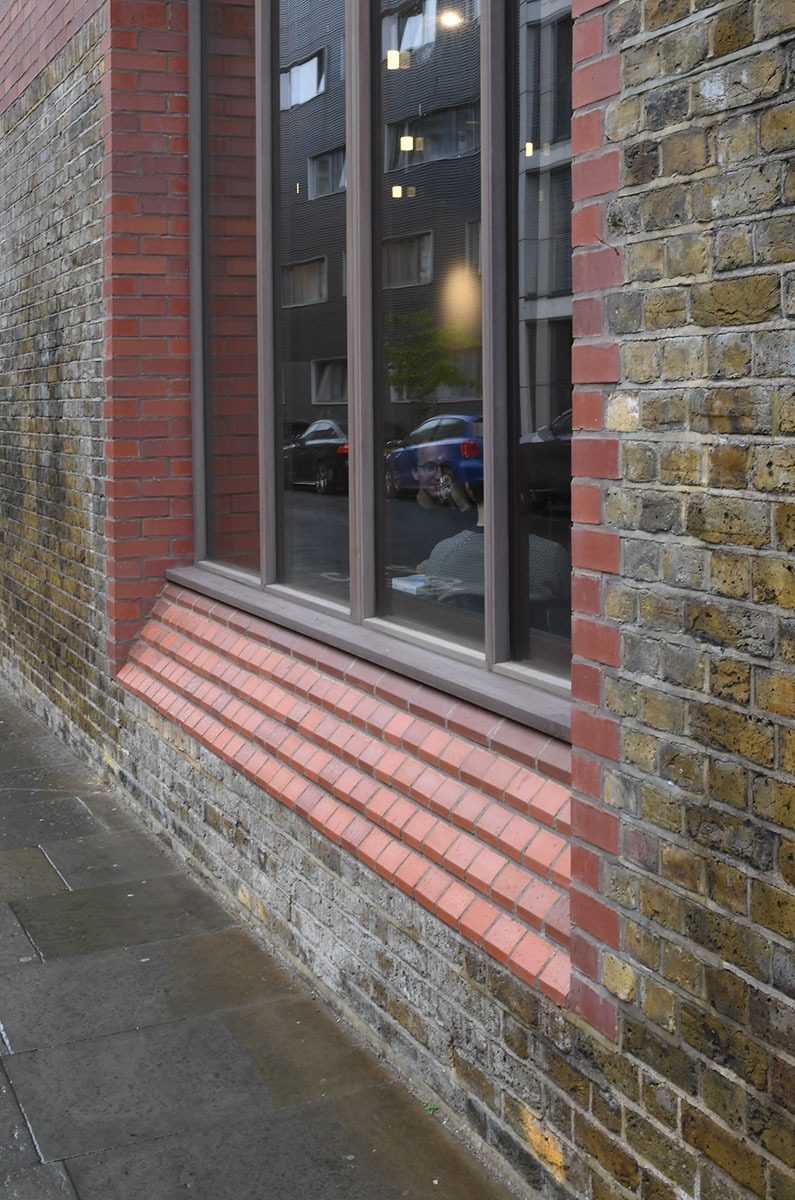
Laying the bricks in a traditional Sussex bond distributed the natural colour variation across the new façade, creating a subtle transition between old and new. Matching Brown Antique plinth bricks were manufactured to form the precise stepped detail beneath the large window. The choice of Ketley’s durable Class A engineering bricks, with low water absorption, ensures the façade will endure for many years. Whereas standard facing bricks would deteriorate over time, the choice of Ketley’s durable Class A engineering bricks… ensures the façade will last for many years.
The warmth of the brickwork, together with Corten steel elements, reinforces Union Street’s industrial character and creates a robust material palette that will age gracefully under heavy daily use.
The Achievement
The refurbishment has transformed Jerwood Space into a more open, generous, and future‑ready cultural hub, demonstrating how sensitive, materially intelligent brickwork can unlock new life in an existing structure while preserving its character and cultural significance.


