
Details
Location: Chelsea
Brick Manufacturer: Forterra PLC
Brick Names: LBC Commons, Cradley Specials
Architects: Farrells / Formation Architects / Midgard Design Services
Brickwork Contractor: Midgard Limited
About the project
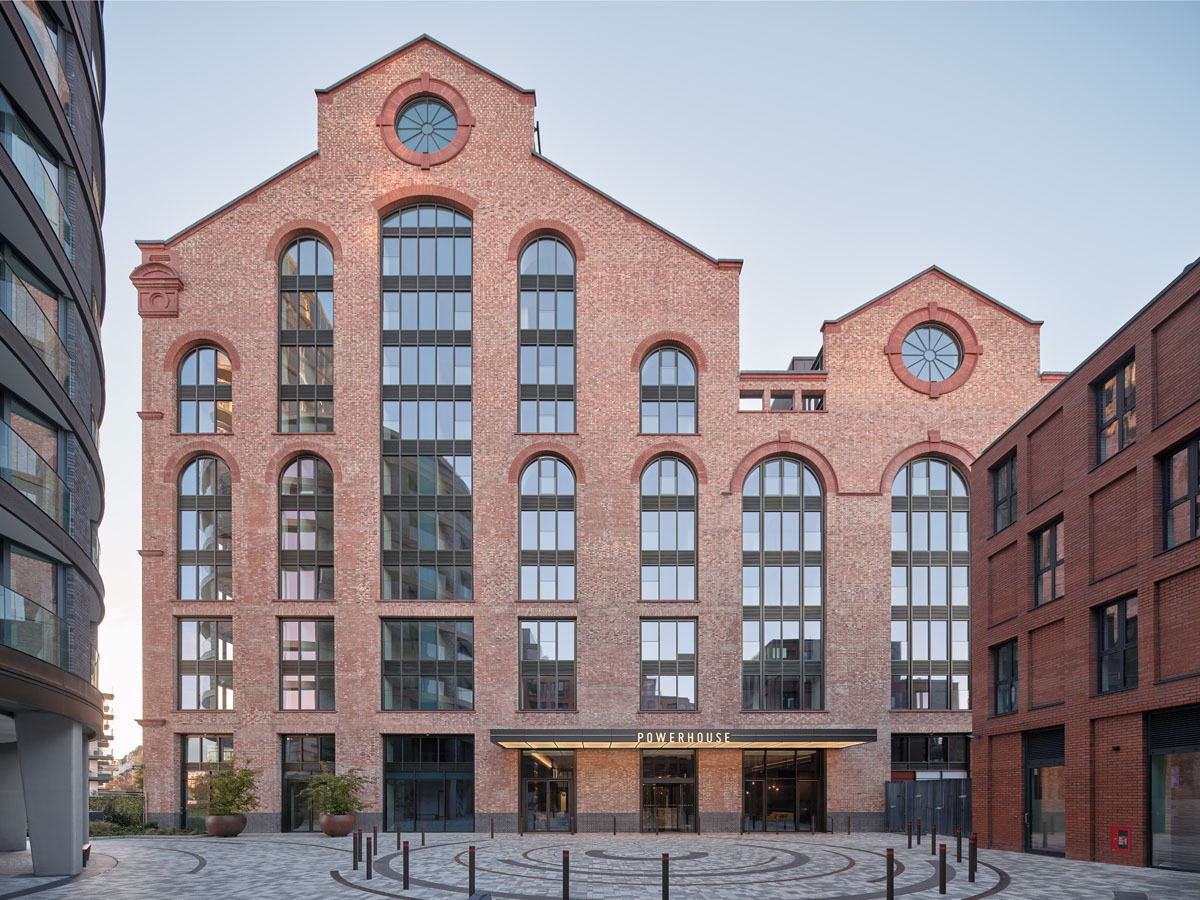
Powerhouse forms the centrepiece of Chelsea Waterfront, a major regeneration project commissioned by Hutchison Property Group Ltd. Farrells developed the overall masterplan, envisioning the decommissioned Lots Road Power Station as the focal point of the development, while Formation Architects were appointed for their expertise in residential design and the adaptive re-use of historic buildings. Together, the project has transformed one of London's most significant industrial landmarks into a vibrant residential and mixed-use destination.
Originally completed in 1904, the power station was built to supply electricity to London's Underground network and went on to become both the largest power station in the world at the time of its construction and the longest-serving power station in London. Following its closure and years of vacancy, the building had suffered extensive deterioration, with its roof removed and much of the structure exposed to the elements. Rather than pursue demolition, the project team adopted a heritage-led approach that placed retention, repair and reuse at the heart of the regeneration strategy.
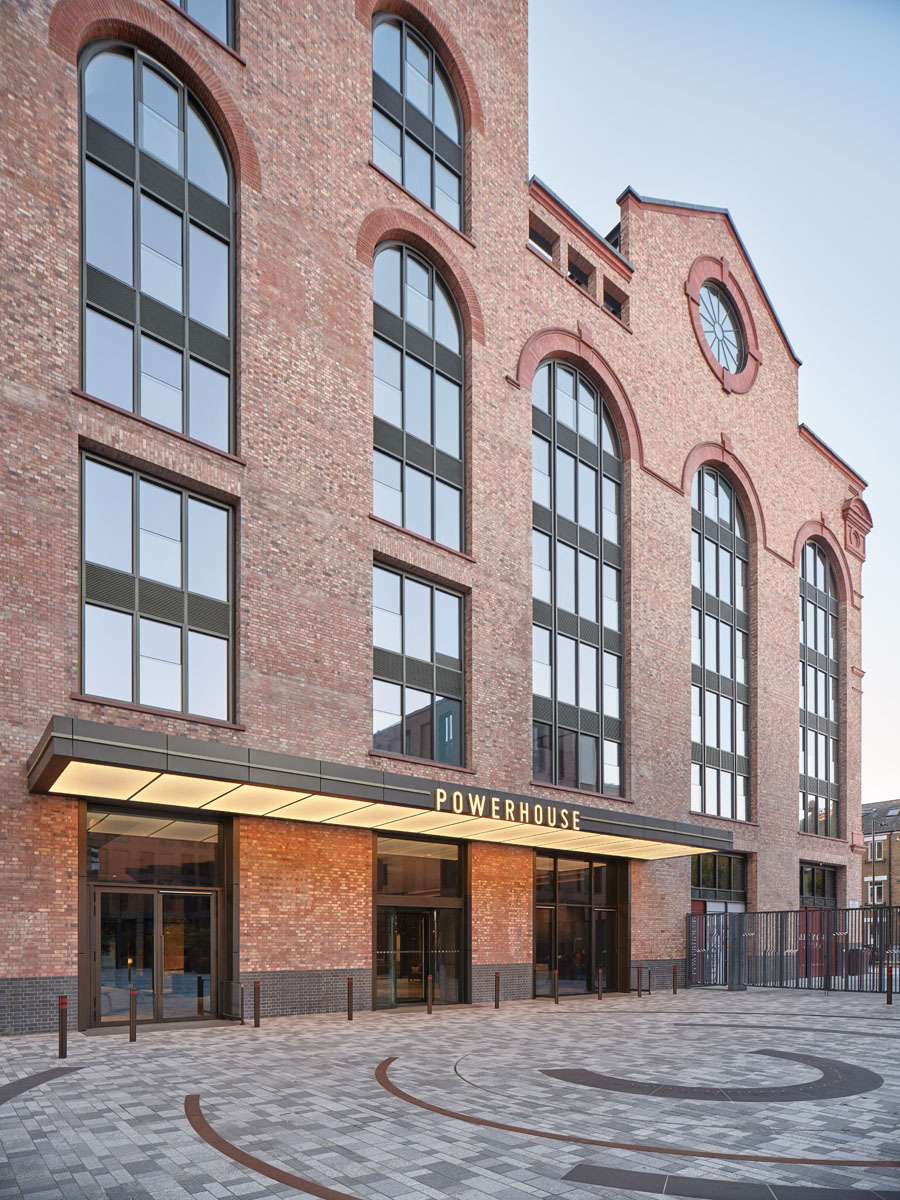
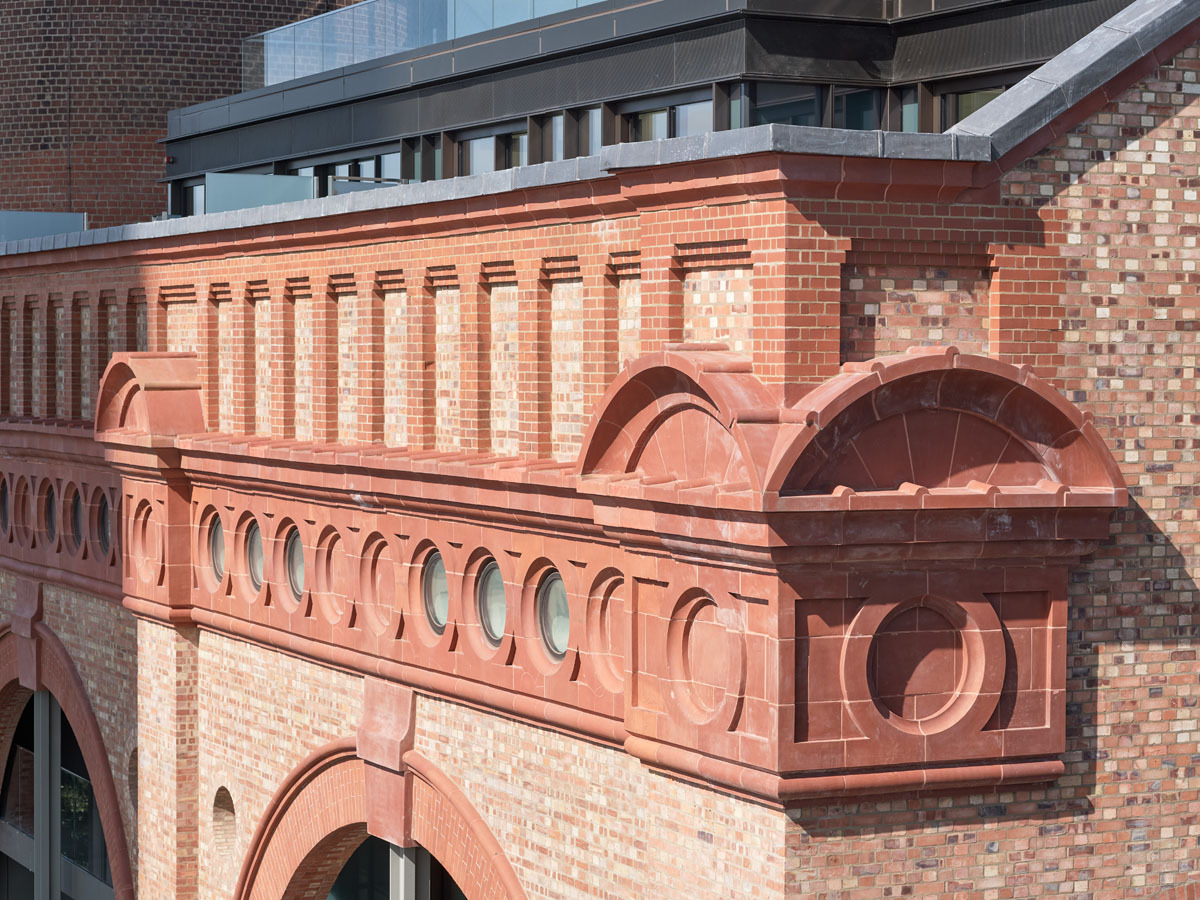
Central to the success of the project was the restoration of the historic masonry façade. More than 80% of the original brickwork and over 75% of the terracotta detailing were retained, repaired and conserved. The challenge was not only to restore the building but to do so in a way that preserved its visual integrity. To achieve this, a carefully developed brick matching strategy utilised a blend of reclaimed common bricks alongside Forterra’s London Brick Common bricks, selected for their compatibility with the original fabric. Extensive mock-ups and site trials were undertaken with architects, planners and the client to ensure repairs blended seamlessly into the existing elevations. The result is a façade where interventions are intentionally understated, allowing the building's historic character to remain dominant.
The restoration extended beyond repair. Historic riverside arches that had been infilled during the building's operational life were reopened, reinstating key architectural features and reconnecting the building with its waterfront setting. Original chimneys, terracotta details and steelwork were also carefully restored, with elements of the building's industrial heritage incorporated throughout the redevelopment.
Importantly, the regeneration extended beyond the building itself, with new pedestrian connections and the reopening of more than 600 metres of Thames Path helping to reconnect neighbouring communities with the waterfront. At its heart, a dramatic eight-storey atrium inspired by the original turbine hall creates a new public focal point, bringing life and activity back into a building that had stood dormant for decades.
Powerhouse demonstrates how thoughtful adaptive reuse and careful conservation can play a pivotal role in successful regeneration, preserving a landmark structure while creating a meaningful new place for future generations.


