
Details
Location: Kensington Gardens, London
Brick Manufacturer: wienerberger Limited
Brick Name: Sienna Red Brick, Aquata Paver
Architect: LANZA atelier
Brickwork Contractor: Stage One
About the project
The 2026 Serpentine Pavilion, designed by Mexico City–based architecture studio LANZA atelier, opened on 6 June 2026. Founded by Isabel Abascal and Alessandro Arienzo, the studio was selected for this milestone 25th Pavilion commission, which continues Serpentine’s legacy as a platform for architectural experimentation, emerging talent, and public engagement. The Pavilion hosts a dynamic programme of cultural events throughout the summer until October.
wienerberger UK & Ireland supported the project by supplying 26,000 Sienna Red facing bricks manufactured at its Ewhurst facility in Surrey. This contribution was instrumental in realising the Pavilion’s distinctive material and spatial character. Aquata pavers were also used.
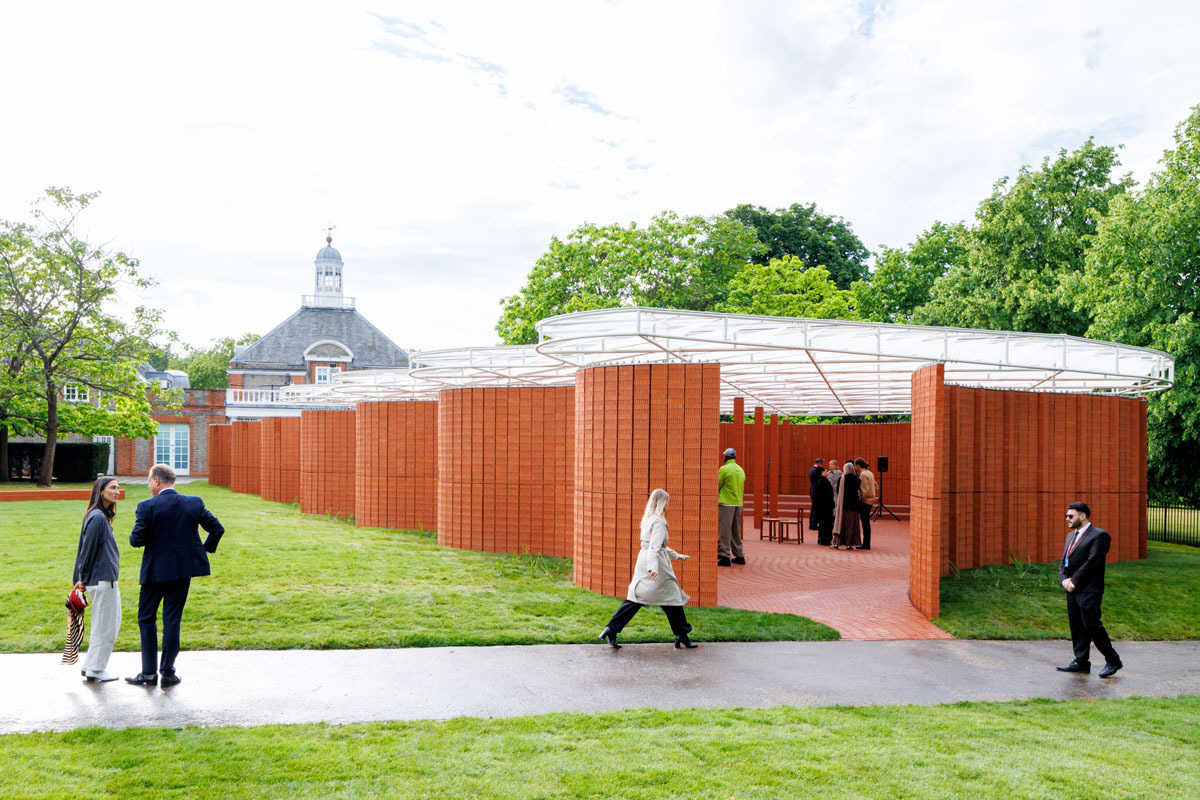
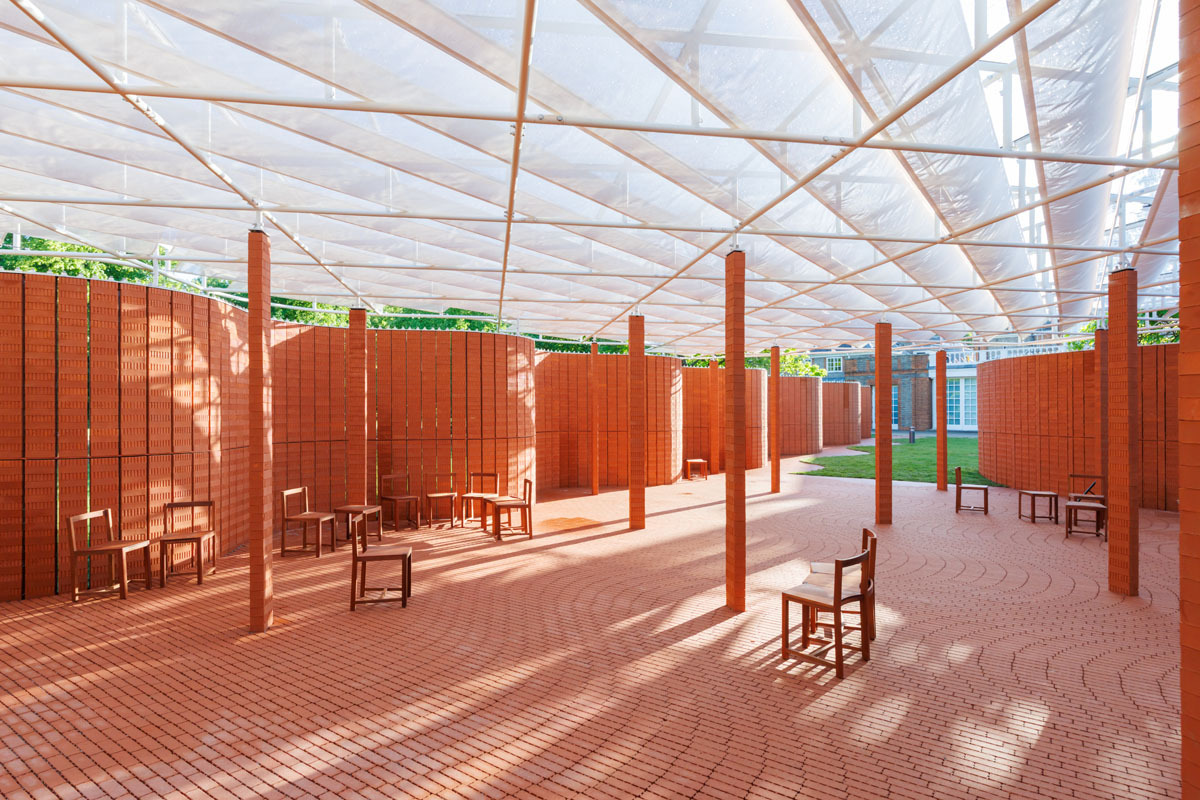
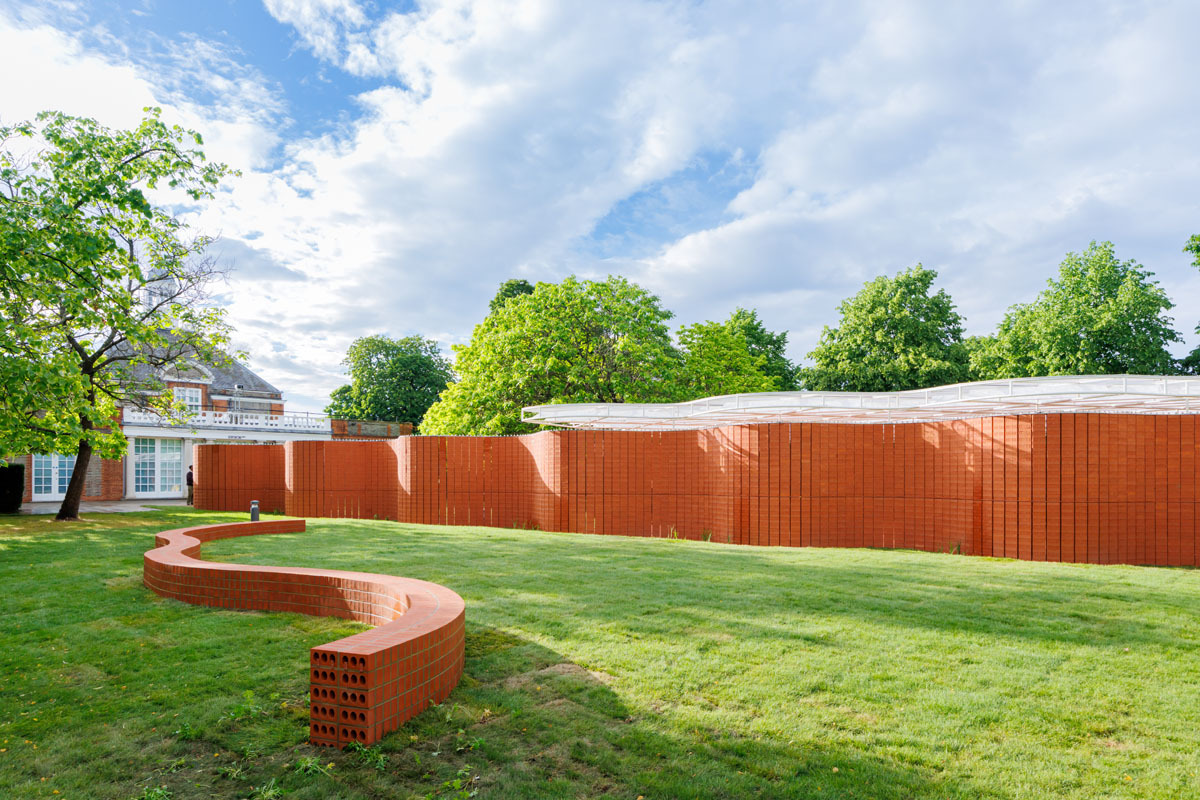
For the 2026 Pavilion, LANZA atelier drew inspiration from the historic “serpentine” or crinkle-crankle wall, integrating it as a defining architectural element. One undulating brick wall forms a primary edge of the Pavilion, while a second responds sensitively to the surrounding tree canopy, preserving the integrity of the landscape. The structure is positioned to the north of the site, where a lightweight, translucent roof rests on slender brick columns, evoking a grove of trees. This configuration allows light, air, and movement to permeate the space, dissolving boundaries between enclosure and openness.
Brick was selected as the primary material to reference the English garden tradition and establish a dialogue with the adjacent Serpentine South Gallery, itself a former tea pavilion with a brick façade. The use of a standard UK red brick reinforces accessibility while celebrating vernacular craft.
Innovation is expressed through both construction technique and material articulation. The Sienna Red bricks, typically laid with their scored face concealed, were intentionally rotated in alternating courses to reveal their textured surface. This “flip-flop” approach introduces a subtle rhythm and tactility to the walls, transforming a conventional product into a rich architectural finish.
The design further extends the versatility of brick through integrated elements, including built-in seating and a café bar formed entirely from stacked modules. By focusing on a single material, the Pavilion demonstrates the breadth of brick’s formal and functional potential.
LANZA atelier describes the Pavilion as a permeable and responsive structure shaped by “gentle geometry” and inspired by the serpent as both a generative and protective figure. Referencing England’s historic fruit walls, the design operates as an environmental mediator—modulating climate, framing movement, and creating spaces of gathering.
The 2026 Serpentine Pavilion exemplifies how a traditional material, thoughtfully reimagined, can deliver innovation in form, experience, and construction, while fostering connection between people, place, and landscape.
Since its inception, the Serpentine Pavilion has evolved into an internationally recognised showcase for innovative architecture. It operates as both a physical structure and a participatory platform, supporting Serpentine’s interdisciplinary programmes spanning art, education, and community engagement.
Established in 2015, LANZA atelier is known for its research-driven and craft-focused approach to architecture. The studio reinterprets traditional materials and forms through a contemporary lens, emphasising dialogue, collective experience, and sensitivity to cultural context. Their practice spans scales and typologies, from residential projects to public infrastructure and furniture design, and is grounded in hands-on processes such as drawing and model making as tools for design exploration.


