
Details
Location: Shrewsbury
Brick Manufacturers: Northcot Brick
Brick Names: Brickfield Orange, Brickfield Orange Weathered, Stratford Mellow Weathered
Architect: Feilden Clegg Bradley Studios
Brickwork Contractor: Croft Building & Conservation Ltd
About the project
Icon of the Industrial Revolution
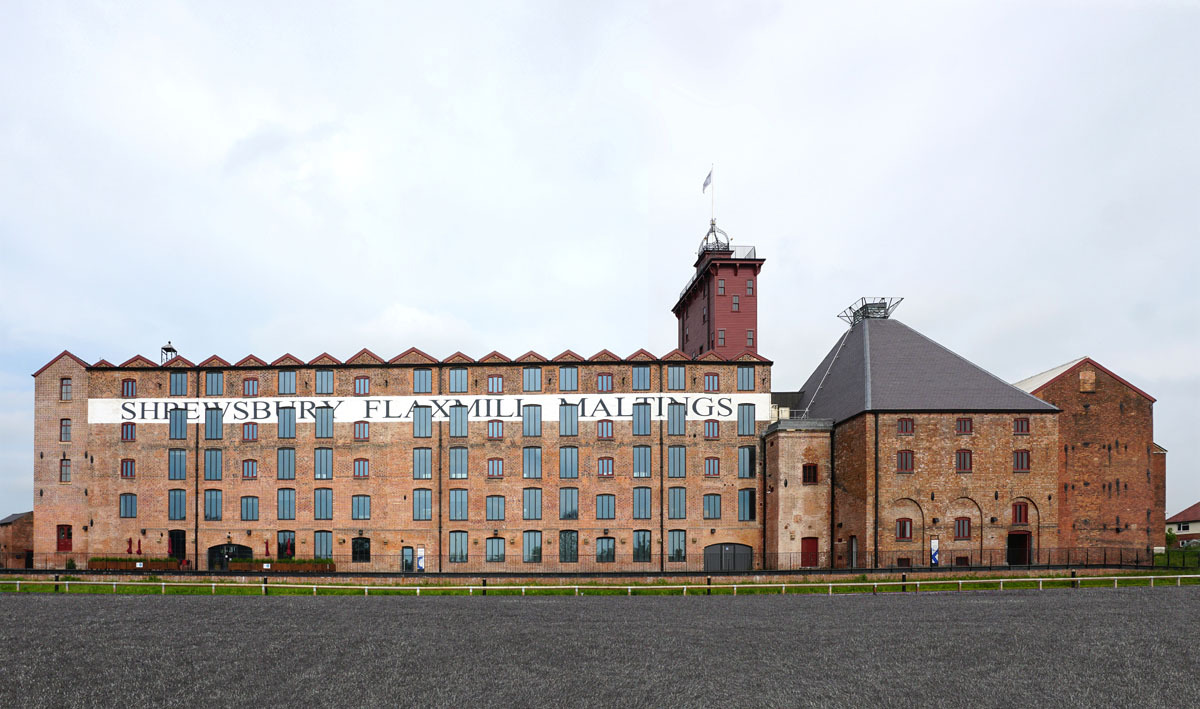
Shrewsbury Flaxmill Maltings is one of the most important surviving buildings from the Industrial Revolution, widely regarded as the world’s first cast-iron-framed building.Originally built in 1797 as a steam-powered flax mill, the site was acquired by Historic England in 2005. Together with Shropshire Council and Friends of the Flaxmill Maltings, they secured a £20.7 million National Lottery Heritage Fund grant in 2017 to restore the Grade I listed Main Mill and Grade II listed Kiln.
This heritage-led regeneration saved the original buildings from "at risk" status and transformed them into a thriving21st-century heritage destination and economic hub.
Conservation and adaptive reuse
Feilden Clegg Bradley Studios repurposed the buildings while preserving their historic character through a comprehensive programme of structural repairs, retrofits, and bold insertions.
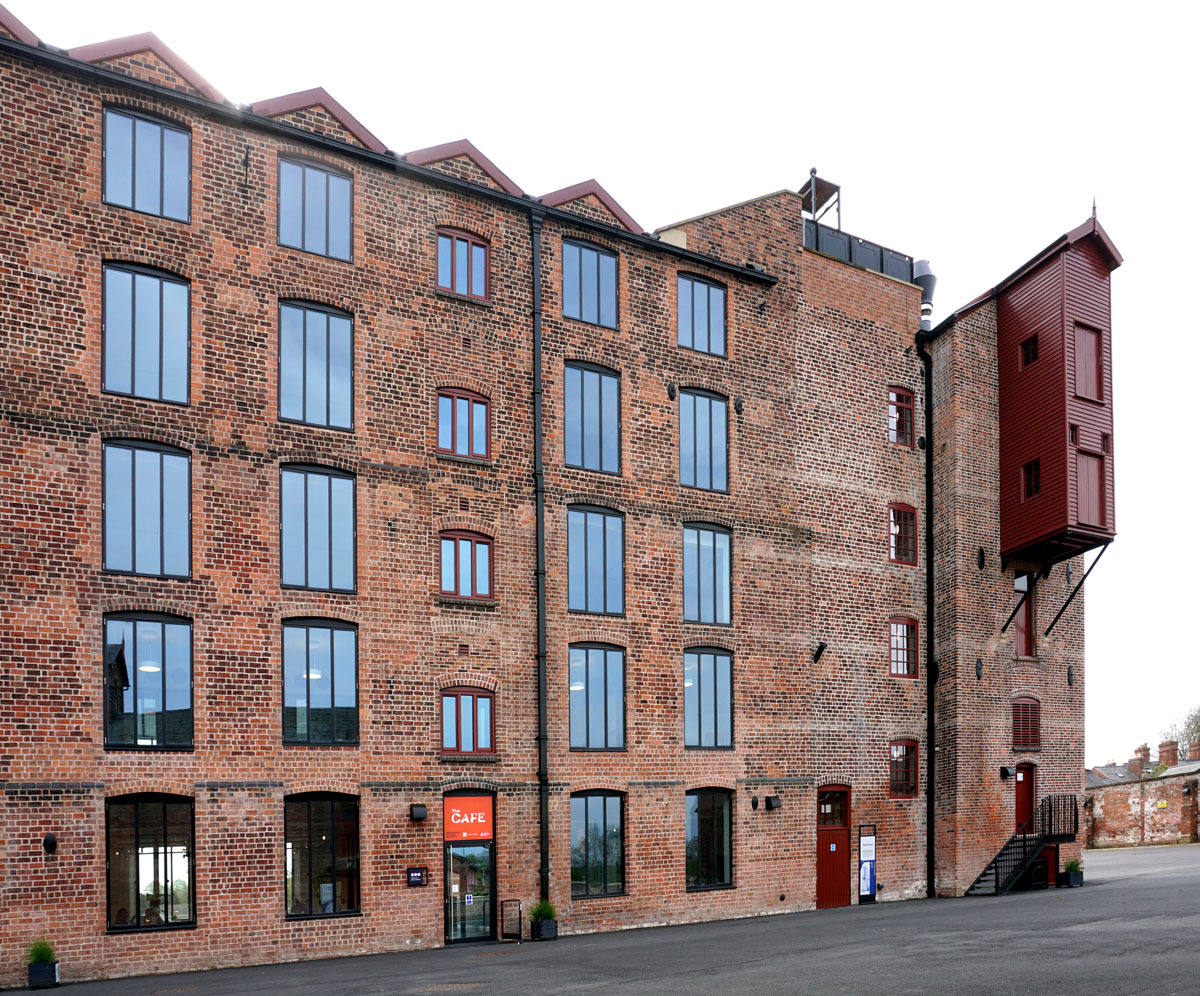
Structural work included reinforcing the fragile cast-iron frame with concealed steel grillage and new ground-floor columns, removing rotting timbers, replacing the roof, reinstating brick elevations, reusing materials where possible, and reopening previously blocked windows.
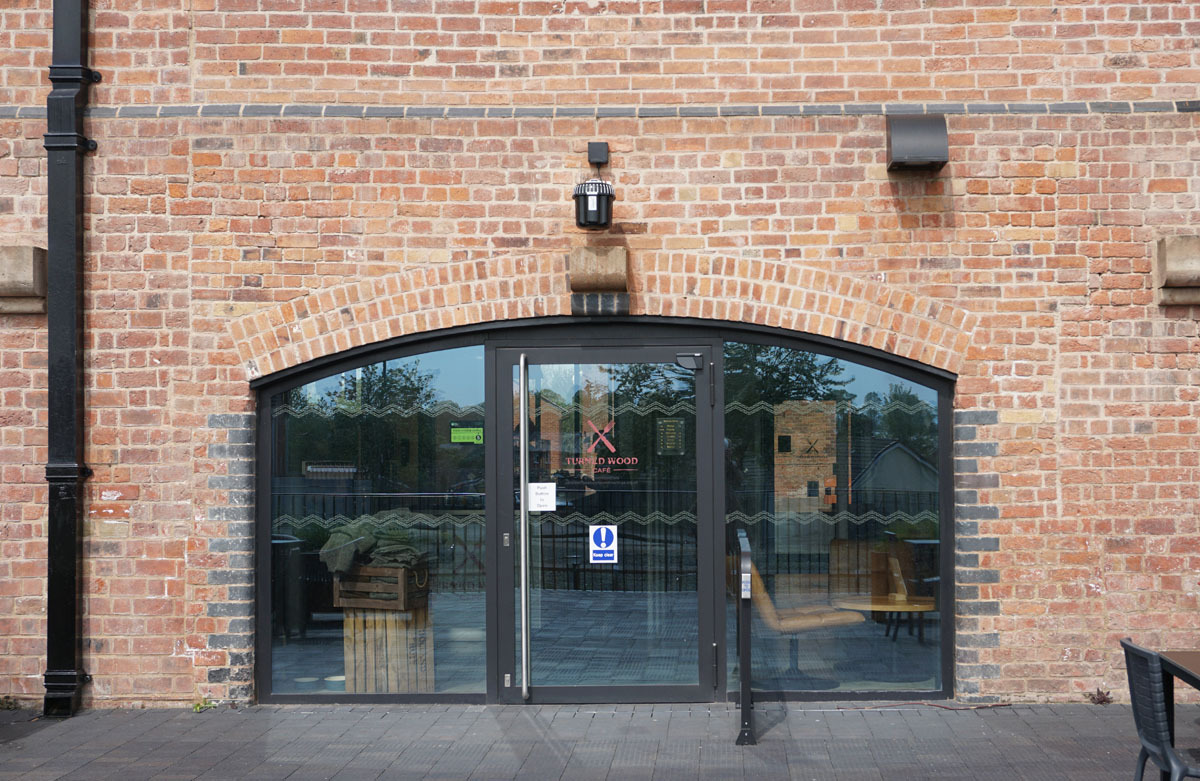
The five-storey Main Mill was repurposed to house a ground-floor visitor centre with a heritage exhibition and café, and four upper floors of flexible office accommodation for local businesses. The pyramidal Malt Kiln was transformed into a striking atrium entrance, complete with a lift, walkways, and a sky-bridge linking it to the Main Mill.
Importance of ‘Great Bricks’
A highly significant feature of the Main Mill is its ‘Great Bricks’. Being a third larger than standard bricks, they were used to reduce the impact of George III’s unpopular 1784 Brick Tax.
Northcot’s ability to produce 90,000 bricks in 75mm and 93mm sizes, across three bespoke blends that were traditionally hand-thrown, kiln-fired, and carefully weathered to match the originals, then laid in lime mortar, was key to preserving this rare historic feature and ensuring the structure’s longevity for another century.
Economic regeneration
A January 2026 AMION Consulting report puts the project’s economic benefit at £49.6 million against £36.4 million in public investment, with a net regional gain of £13.1 million. In other words, for every £1 of public funding, the project generates £1.36 through tourism, business rates, and job creation.
The site has created 62 full-time equivalent jobs, and the 2,259 sqm of high-quality office space generates a sustainable income stream through commercial tenancies.
Visitor numbers reached 18,340 in-person visits over the past year. When including café visitors, total footfall approaches 56,000 annually.
Sustainable impact
The project achieved an EPC B rating (47) and a LETI "A+" score for embodied carbon. Retaining 65% of the original structure kept 886.4 tCO2e ‘in use’.
Reopening 110 windows increased natural light and ventilation, saving 175,500 kWh each year. A 114kW ground-source heat pump provides 69% of the site’s heating, cutting reliance on fossil fuels. The thick brick walls and jack arches contribute to passive temperature regulation.
Social legacy
With support from the Andrew Lloyd Webber Foundation, the ‘Heritage Skills Programme’ and educational partnerships helped upskill professionals and train local students in traditional ‘hands-on’ crafts and masonry.
English Heritage manages the visitor operation and, together with over 100 volunteers, organises open days ,workshops, school visits, and work placements, strengthening local involvement and pride in the site.
Accolades
Accolades include eighteen national/international awards, including RIBA, 2023 ‘Supreme’ Brick Award and 2024Europa Nostra Award for ‘Conservation and Adaptive reuse’.


