
Details
Location: London
Brick Manufacturers: Northcot Brick Ltd
Brick Names: Newport Light & Newport Dark
Architect: Caruso St John Architects
Brickwork Contractor: Grangewood Brickwork
About the project
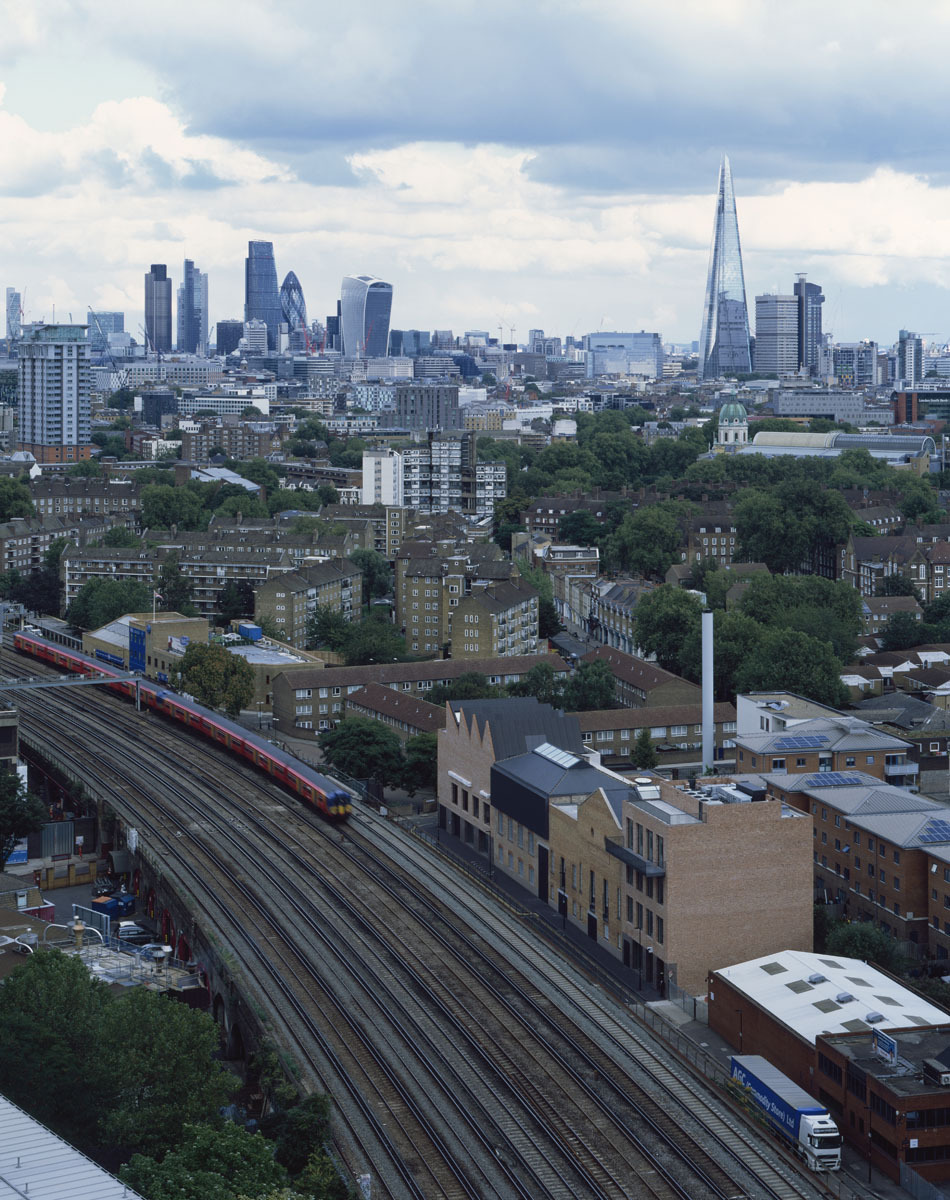
The Newport Street Gallery, a free art gallery belonging to artist Damien Hirst, occupies a terrace of new-build andrefurbished blocks near the elevated railway arches in Vauxhall, South London.
As winner of the 2016 RIBA Stirling Prize, it was acclaimed by the judges as ‘a bold and confident contribution to thebest of UK architecture’.
Widely regarded as an exemplary work of adaptive reuse, it has transformed a once-neglected industrial street intoa contemporary exhibition space of lasting civic value.
Heritage repurposed for public use
Caruso St John’s design involved the conversion of three Grade II-listed buildings, purpose-built in 1913 as scenery-painting studios for London's West End theatre industry.
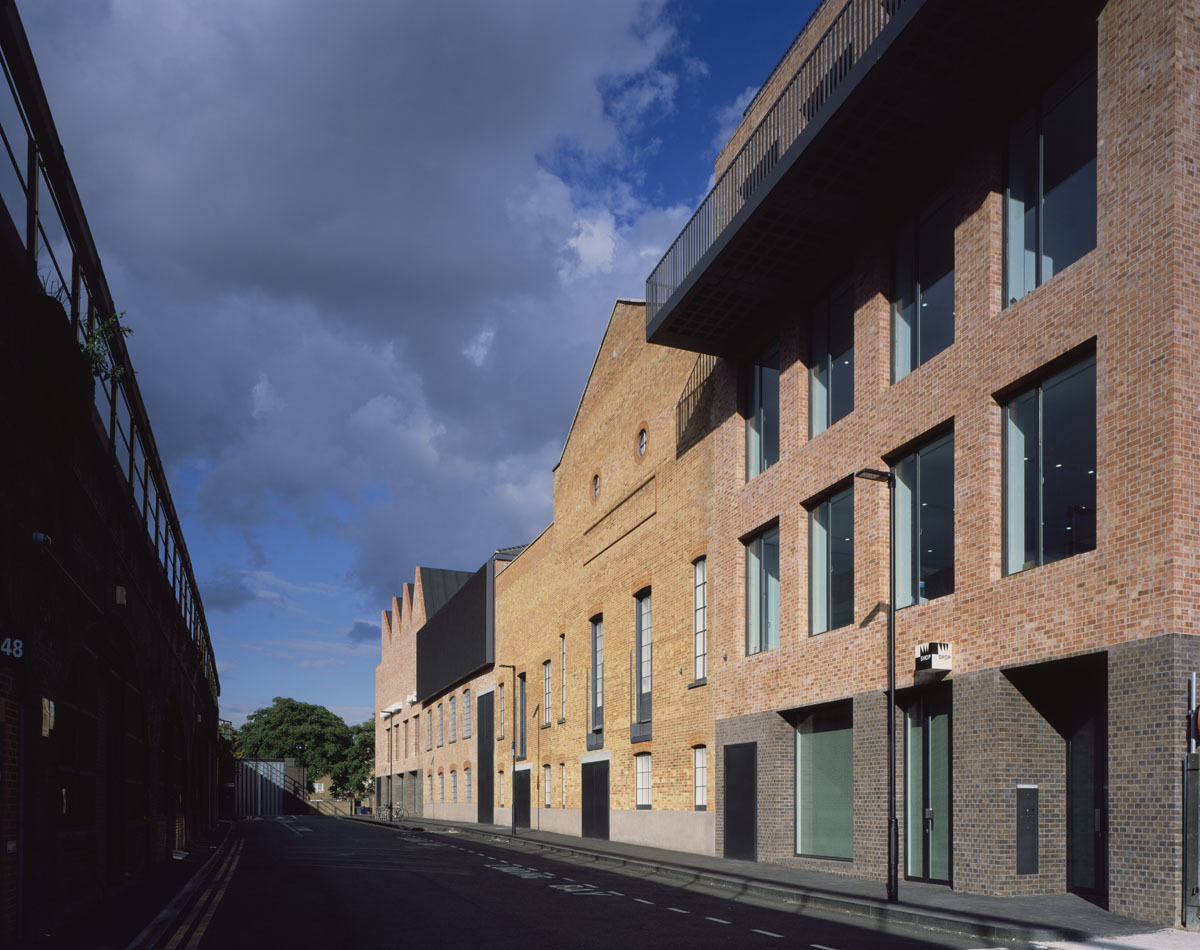
Rather than demolishing the existing structures, the architects restored and repurposed them, adding two new-buildelements at either end to create a 37,000-square-foot gallery running half the length of the street.
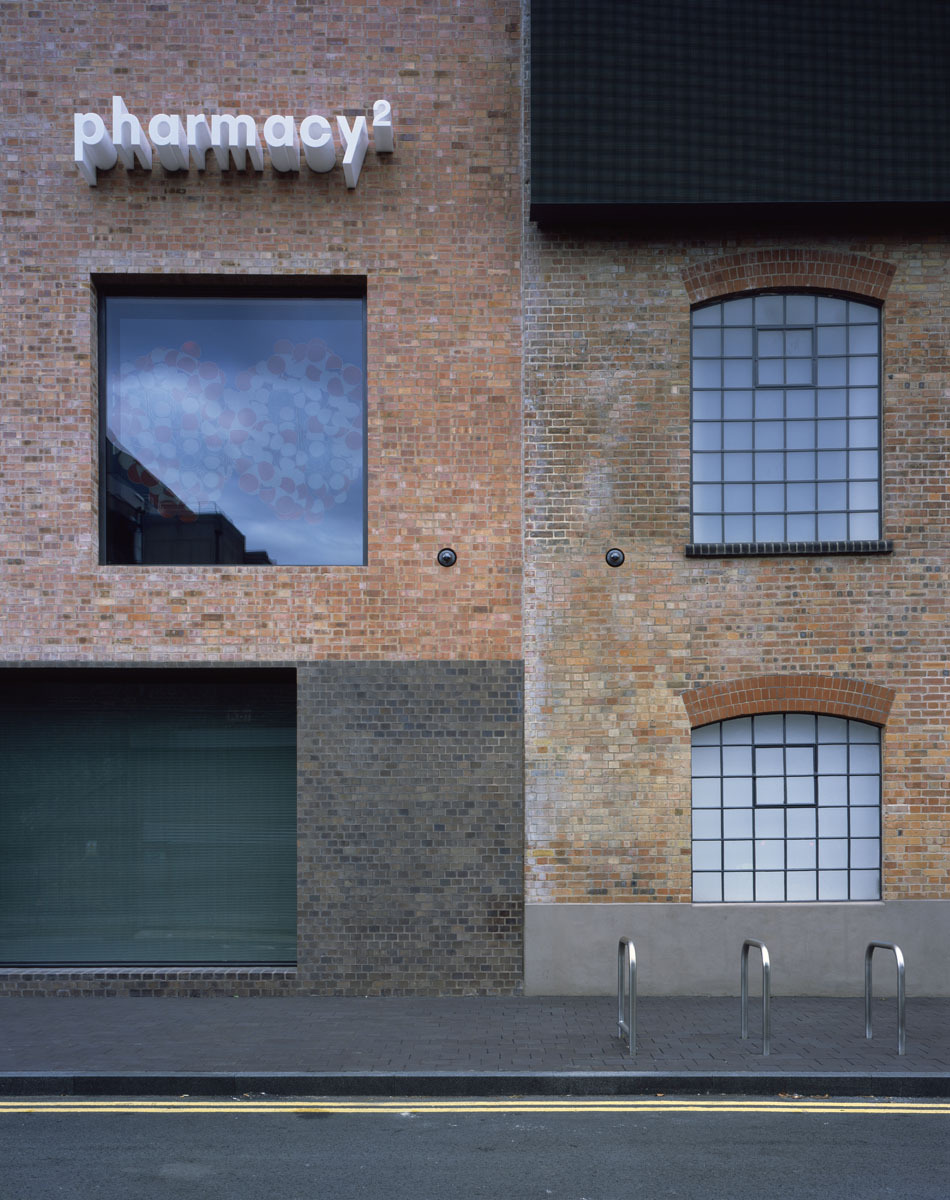
Six adaptable exhibition spaces, arranged in a line across two floors, can be configured for exhibitions of varyingsizes. One of the central galleries has a ceiling height of 11 metres, split across two levels, to accommodate large-scale sculptures. The scheme includes the Pharmacy² restaurant, a shop, and gallery offices.
The enduring brickwork
The five linked brick buildings, each different yet clearly related, retain a strong sense of industrial heritage and localcontext. The unusual proportions of the original Victorian workshops are echoed in the new additions and enlivenedby the distinctive sawtooth roof, which blends with both the heritage and local roofscapes.
Central to the new semi-industrial facades were two bespoke brick blends by Northcot Brick, developed to matchthe ‘common’ style brick of the listed buildings: Newport Light, a hard, pale-red brick laid in Flemish bond on lightlime mortar, and Newport Dark, laid on dark mortar. Bespoke hand-made and standard machine-made specialshapes were produced to match both types, some of which are visible in the sawtooth roof detailing.
Designed for a long life cycle, the hard brickwork has resisted urban pollution while preserving its raw industrialcharacter. Flush-pointed joints to prevent dirt from accumulating in recesses have helped maintain a clean, evenpatina, allowing the gallery to age gracefully as a single coherent landmark rather than as a collection of separateparts.
Cultural and economic impact
The gallery’s reputation as a world-class venue attracting approximately 40,680 visitors per year has been a culturalanchor in Vauxhall’s regeneration.
It hosts Damien Hirst’s official art collection and up to four single-artist or thematic exhibitions each year, attractinglocal and international visitors, supporting nearby cafés, restaurants, and creative businesses. For example, thelatest ‘Triple Trouble’ exhibition drew global fans of Invader, who used his app to track his street art across the widerVauxhall area, dispersing visitor spend far beyond the gallery.
Increased footfall from consistent cultural activity has contributed to Vauxhall's transformation into a denser, mixed-use district, encouraging commercial investment in support of the regeneration priorities of the Nine Elms VauxhallPartnership and Vauxhall One BID.
The Gallery facilitates access for schools, universities, and community groups and recently participated in the RiverArt Walk (RAW), a curated trail linking galleries, independent spaces, and artist studios along the Thames. Freeadmission and informal café facilities lower barriers to public


