
Details
Location: London
Brick Manufacturers: Northcot Brick / Michelmersh Brick Holdings PLC
Brick Names: Battersea Blend 1, Battersea Blend 2, Nine Elms Commons / Blockley
Architect: WilkinsonEyre
Brickwork Contractor: Purcell Architecture Ltd
About the project
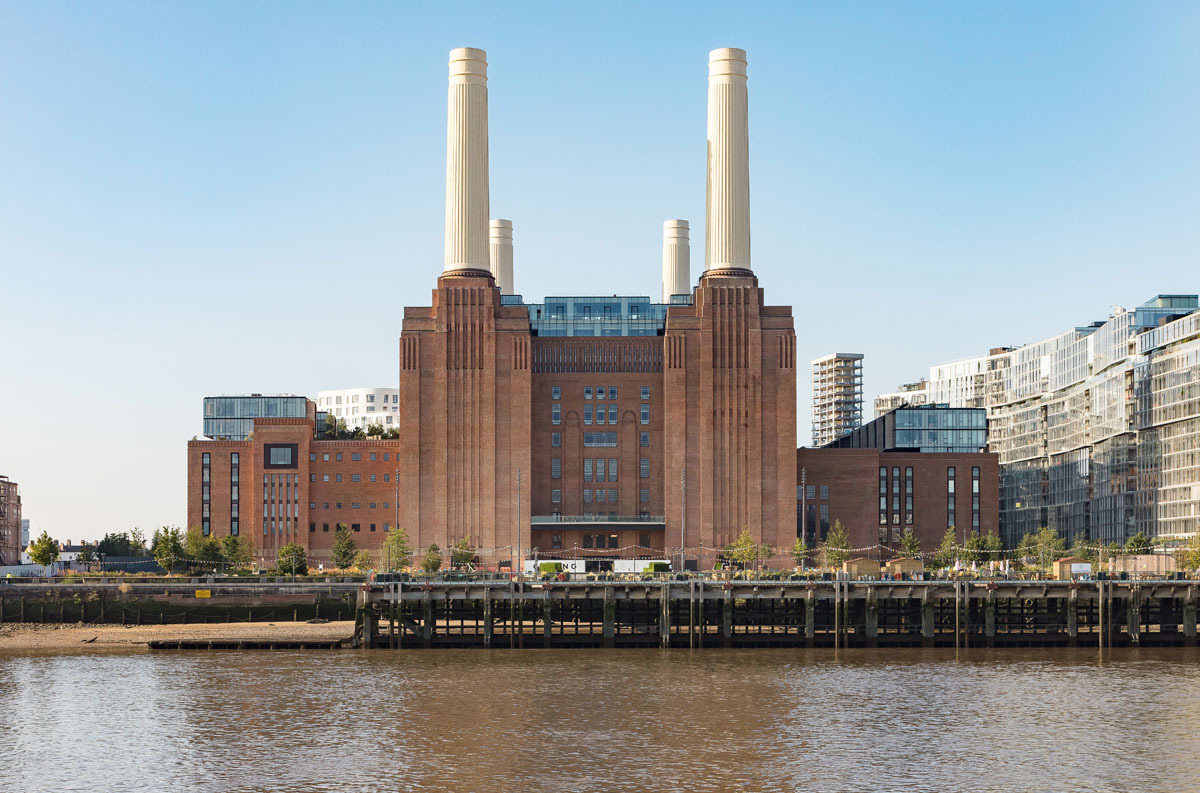
Battersea Power Station, one of Europe’s largest brick buildings, is among London’s most recognisable landmarks. Sir Giles Gilbert Scott's ‘cathedral of power’ once supplied a fifth of the capital's electricity before being decommissioned in 1983 and left to ruin until its acquisition by Malaysian investors in 2012.
Battersea Power Station Development Company (BPSDC) and architects WilkinsonEyre led the restoration and redevelopment of the Grade II* listed building, transforming it into a mixed-use destination that brings together heritage, homes, workplaces, culture, retail, leisure and public spaces.
Aesthetics & Material Integrity
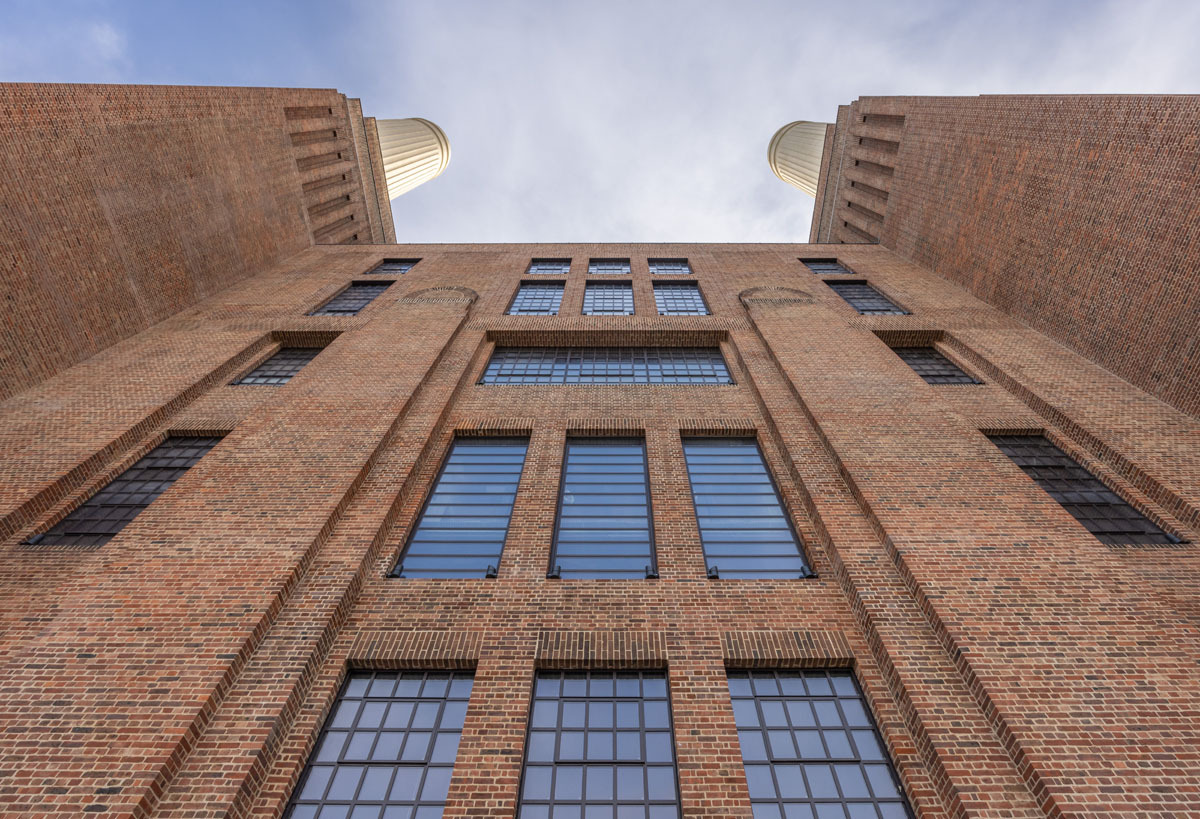
The majestic elevations were constructed in three phases between 1929 and 1955, using six million imperial-sized Golden Brown Pressed bricks. Their repair and restoration were challenging, as each phase had aged differently.
Conservation Adviser Purcell traced the original manufacturer to Northcot Brick, which still uses the same JurassicLias clay and 1920s clay-preparation machinery, ensuring vital continuity of material.
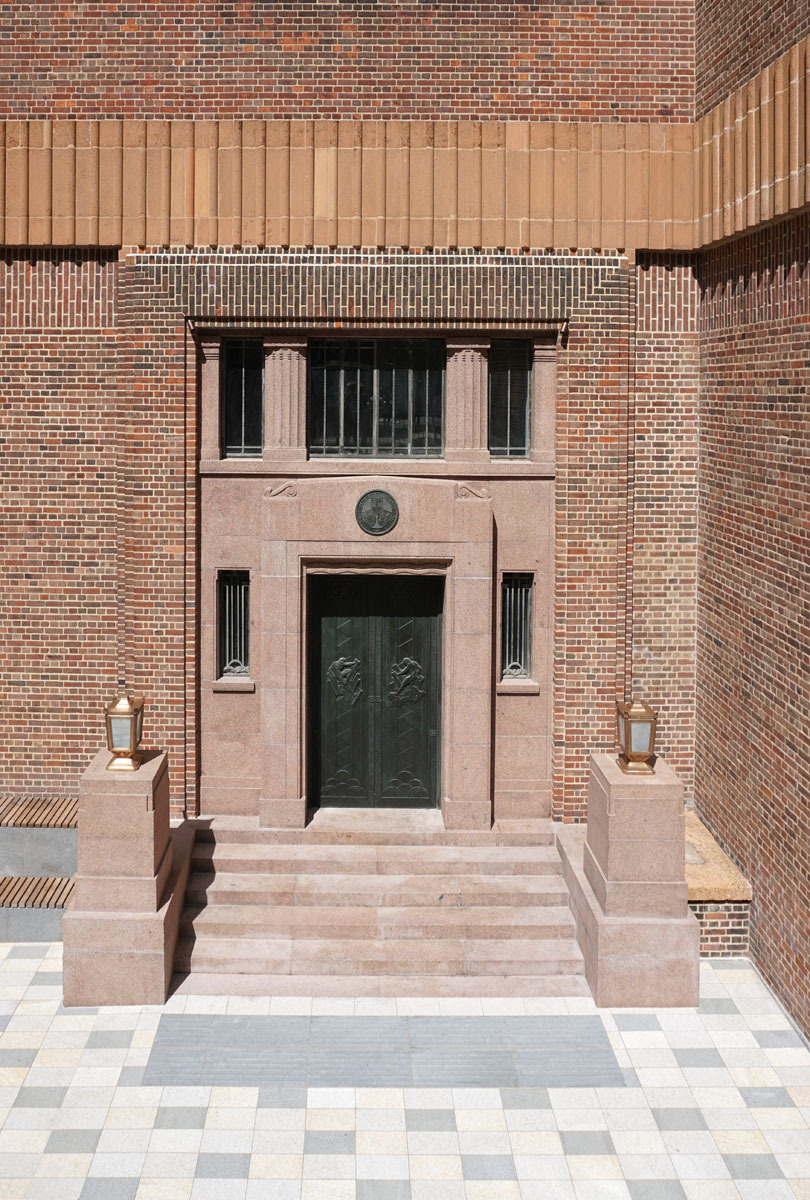
Using traditional handmaking, kiln-firing, and weathering techniques, Northcot reproduced the texture, porosity, and colour variations of the originals, with the new brickwork now maturing naturally alongside them.
In total,1.75 million bricks across 23 types were manufactured and hand-blended in precise ratios, with 1.3 million made by hand in two bespoke blends. Modern precast panels incorporating handmade bricks extended the aesthetic to the high internal and external walls.
Adaptability & Evolution
A building-within-a-building approach enabled the integration of different uses without sacrificing the internal architecture and industrial grandeur.
The Turbine Halls, once occupied by generating machinery, now house over 100 shops, restaurants, and bars. The interior is designed with lightweight bridges and modular shopfronts to allow future adaptability.
The central Boiler House, entirely stripped of its original material, now provides 565,000 sq. ft. of office space, primarily occupied by Apple. It sits alongside the Arcade Food Hall, cinema, events space, residential apartments and a rooftop garden.
Two historic control rooms have been repurposed as an events venue and bar. The northwest chimney contains a lift experience offering 360-degree views across London. Each intervention adapts the building for contemporary use while preserving its character.
Community & Cultural Impact
Immortalised on the cover of Pink Floyd's 1977 album ‘Animals’, Battersea Power Station is a social and commercial hub, attracting 40 million visitors since opening in 2022.
Over 7,500 jobs have been created, with Battersea Academy for Skills & Employment (BASE) securing jobs and apprenticeships for more than 700 local people. Approximately one-third of the workforce is local.
Over 19 acres of public realm will be delivered across the masterplan, including the six-acre Power Station Park, which opened alongside the Power Station. Over £6 million has been donated to local charities, including educational programmes addressing digital poverty. Projects like the 100-strong BPS Community Choir and the Team Battersea Alumni project, which preserves the memories of former employees, reflect the building's enduring place within the community.
Sustainability through longevity
Retaining the primary structure (foundations, columns, beams, and slabs) saved 36,000 tons of CO2e, according to Engineers Buro Happold. Reused brickwork avoided a further 4,000 tons.
Where new brickwork has been introduced, traditional methods ensure low lifecycle costs over its service life.
Battersea Power Station, a building that has shaped London for a century, is now built to do so for another, highlighting the environmental and economic benefits of long-life construction and the use of traditional brickmaking techniques alongside modern technologies.


