
Details
Location: Chelsea
Brick Manufacturers: Forterra PLC
Brick Names: LBC Commons, Cradley Specials
Architects: Farrells / Formation Architects / Midgard Design Services
Brickwork Contractor: Midgard Limited
About the project
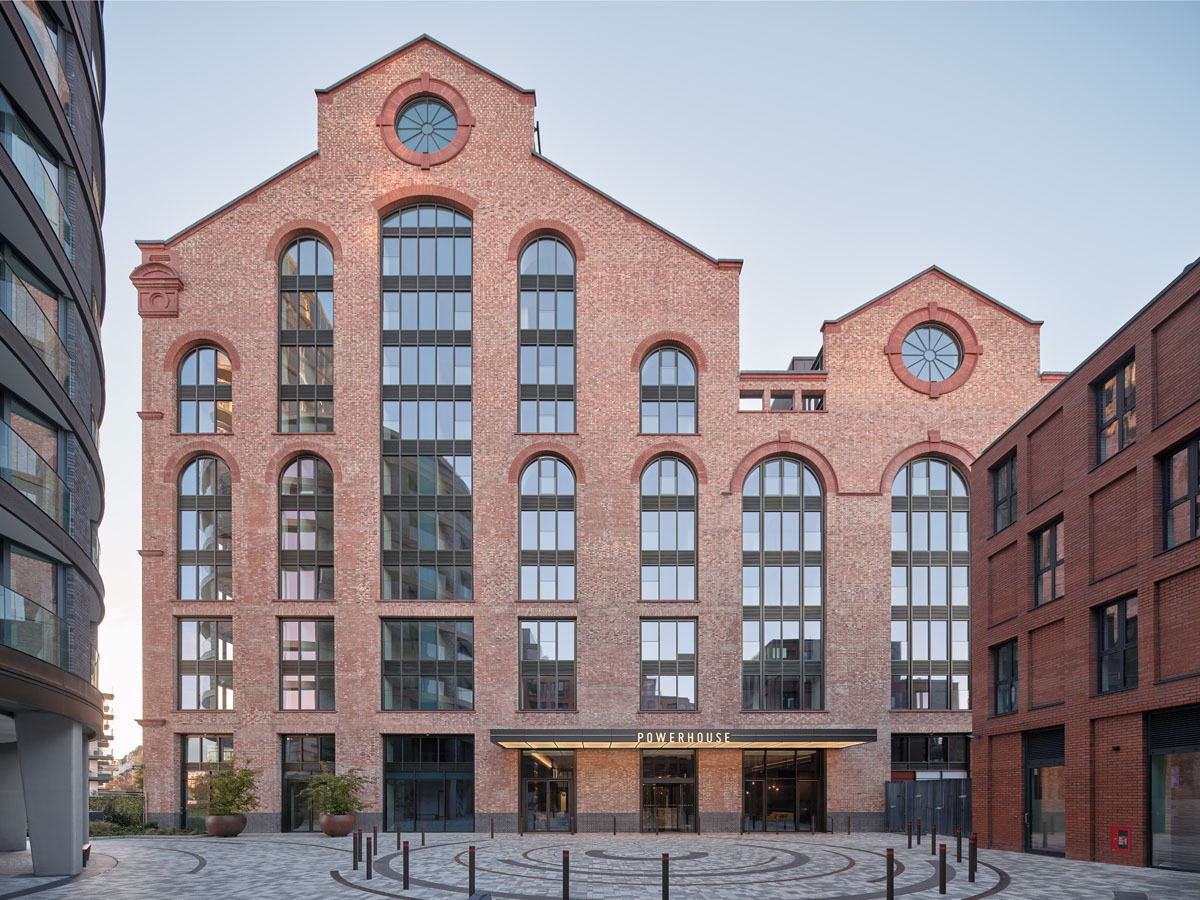
Powerhouse, formerly Lots Road Power Station, forms a key part of the wider Chelsea Waterfront development commissioned by Hutchison Property Group Ltd. Farrells developed the overall masterplan, envisioning the decommissioned power station as the focal point of the regeneration, while Formation Architects were appointed for their expertise in residential design and the adaptive re-use of historic buildings. The refurbishment has given new life to one of London's most important industrial buildings while preserving the architectural character that has defined the Thames waterfront for more than a century.
Constructed in 1904 to supply electricity to London's Underground network, the Grade II listed building occupied a prominent position on the river and became a significant part of the capital's industrial heritage. Following its closure in 2000, the building stood vacant for many years and suffered extensive deterioration, including prolonged exposure to the elements after sections of the roof were removed. The refurbishment presented a complex challenge: how to adapt a vast industrial structure for modern residential use while retaining the character, craftsmanship and material integrity that make the building historically significant.
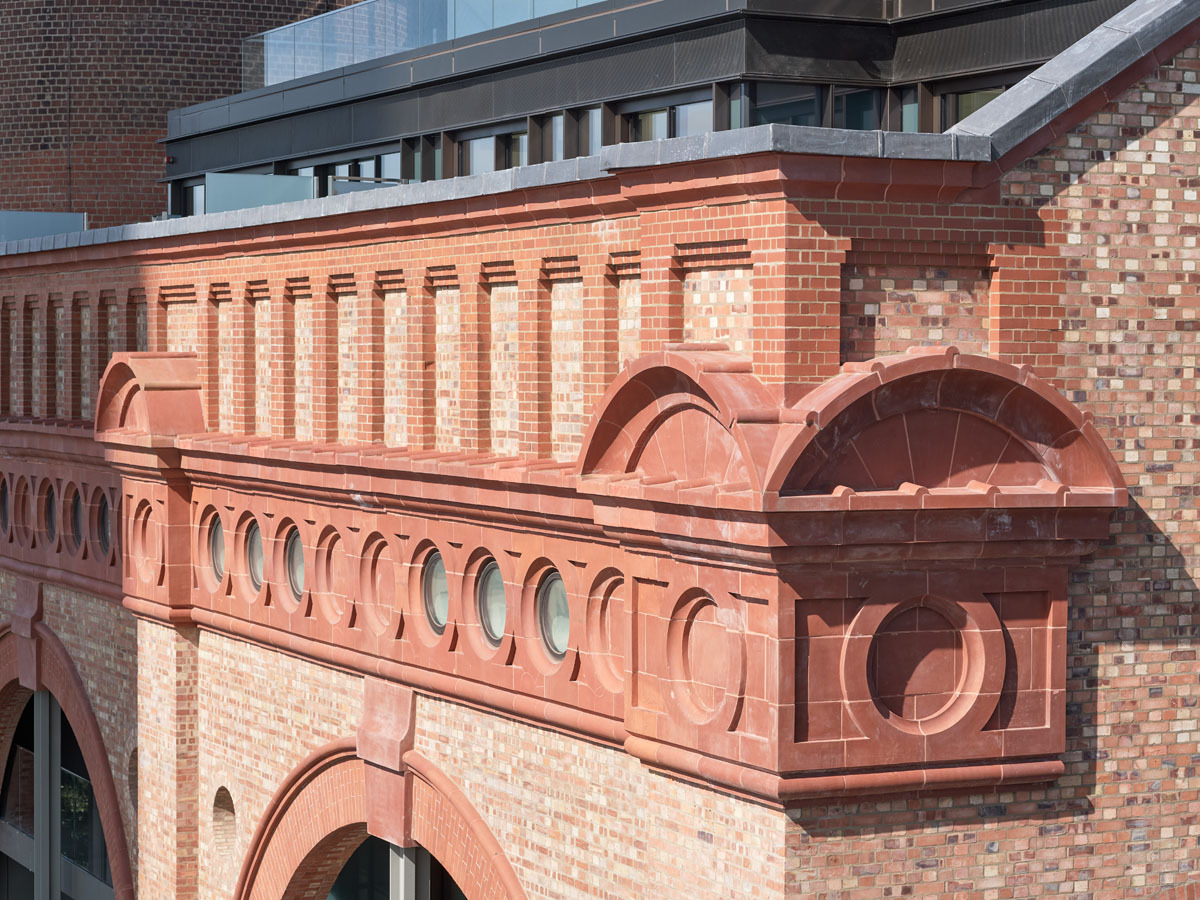
The project adopted a conservation-led approach from the outset. Extensive surveys were undertaken to assess the condition of the original fabric, informing a strategy focused on repair and retention wherever possible. More than 80% of the existing masonry façade was preserved, alongside over 75% of the original terracotta detailing. Historic chimneys, steelwork and architectural features were carefully restored, ensuring that the building's industrial identity remained visible throughout the completed scheme.
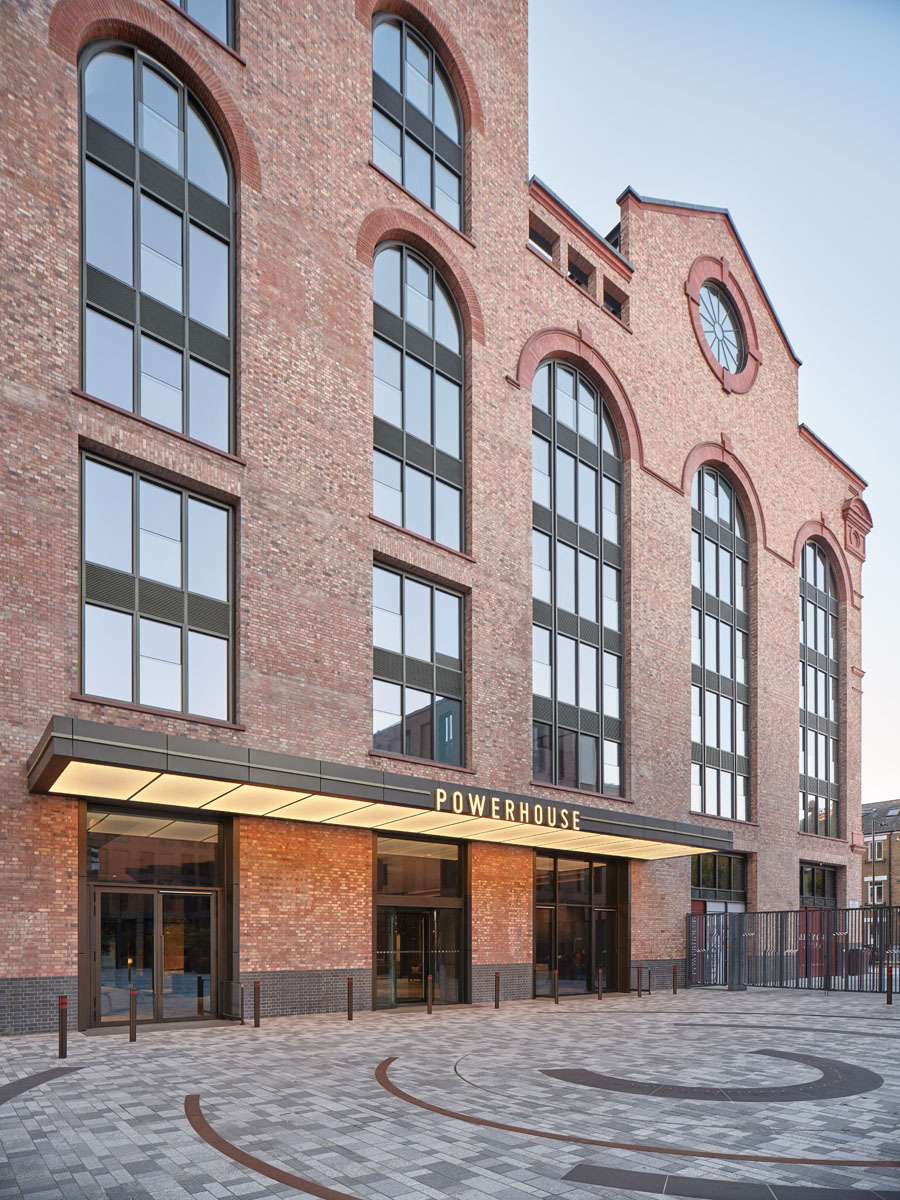
Brickwork conservation formed a central part of the refurbishment. The objective was not simply to repair damaged areas but to ensure that interventions were visually indistinguishable from the original construction. A combination of reclaimed common bricks and Forterra's London Brick Common Bricks were therefore selected to match the appearance, texture and character of the existing masonry. Extensive on-site mock-ups and consultation with planners, architects and the client helped refine the approach and ensure the finished repairs blended seamlessly into the retained façade.
One of the most significant interventions involved reopening the building's historic riverside arches, many of which had been altered or infilled during the power station's operational life. This work required careful dismantling, restoration and reconstruction to reveal the original architectural composition while maintaining the integrity of the surrounding brickwork. The success of these interventions is reflected in their subtlety; the restored areas sit comfortably alongside the retained fabric without drawing attention to themselves.
Throughout the project, traditional craftsmanship and modern engineering were combined to safeguard the future of the building. Original materials were retained wherever possible, repairs were carried out with sensitivity, and new elements were integrated in a manner that respected the historic structure rather than competing with it. Importantly, the refurbishment formed part of a wider transformation of the Chelsea waterfront, reconnecting people with a landmark building that had stood dormant for decades.
The result is a refurbishment that successfully preserves the architectural and material character of a nationally significant landmark while securing its long-term future. Through careful conservation, skilled brickwork restoration and a commitment to retaining original fabric, Powerhouse demonstrates how historic buildings can be adapted for contemporary use without compromising their heritage value.


