
Details
Location: Canary Wharf, London
Brick Manufacturers: Ibstock PLC / Forterra PLC
Brick Names: Cinder Coal Smooth Black Brick Aged Bronze, Smooth Blue Brick / Common Brick
Architect: HTA Design
Brickwork Contractor: Brickstone Construction
About the project
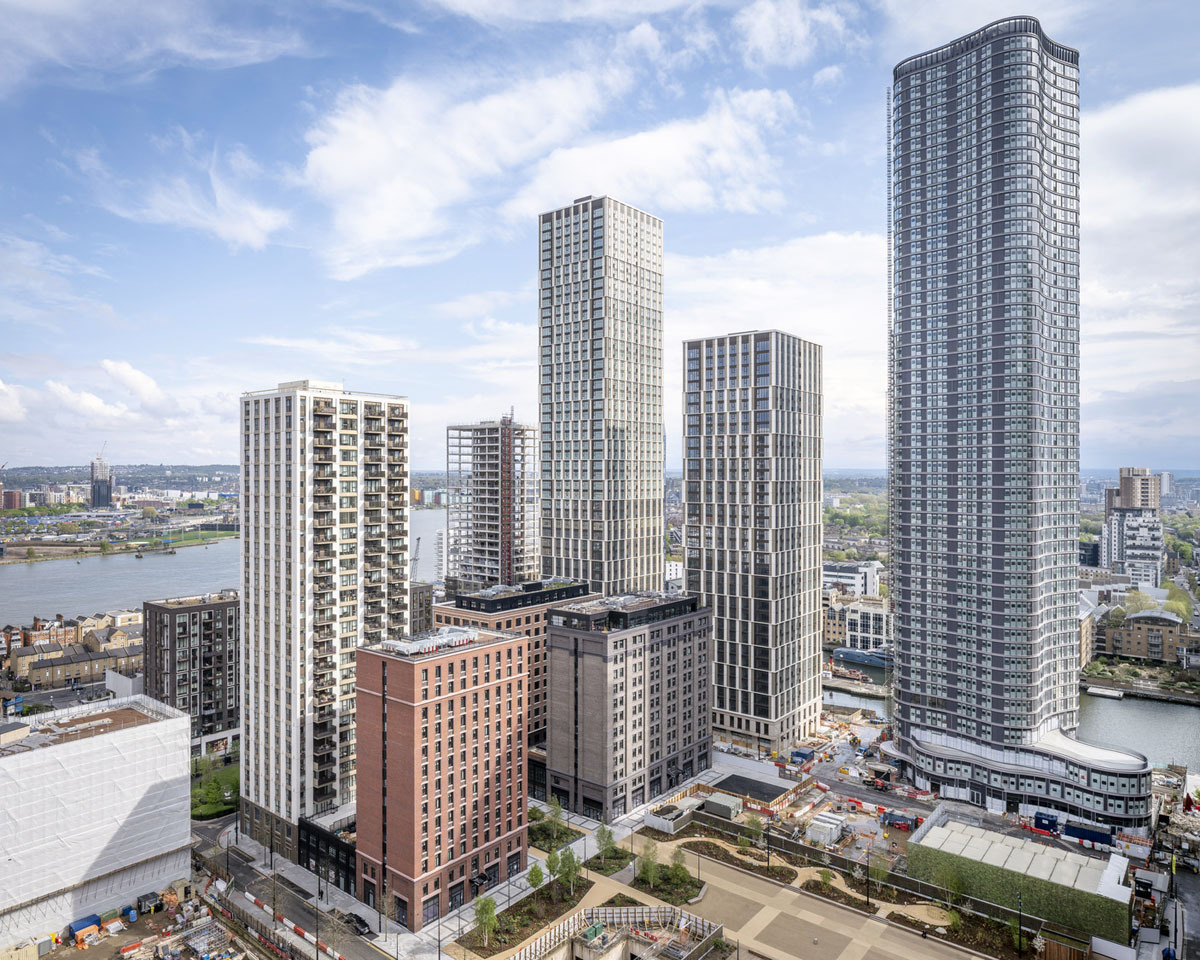
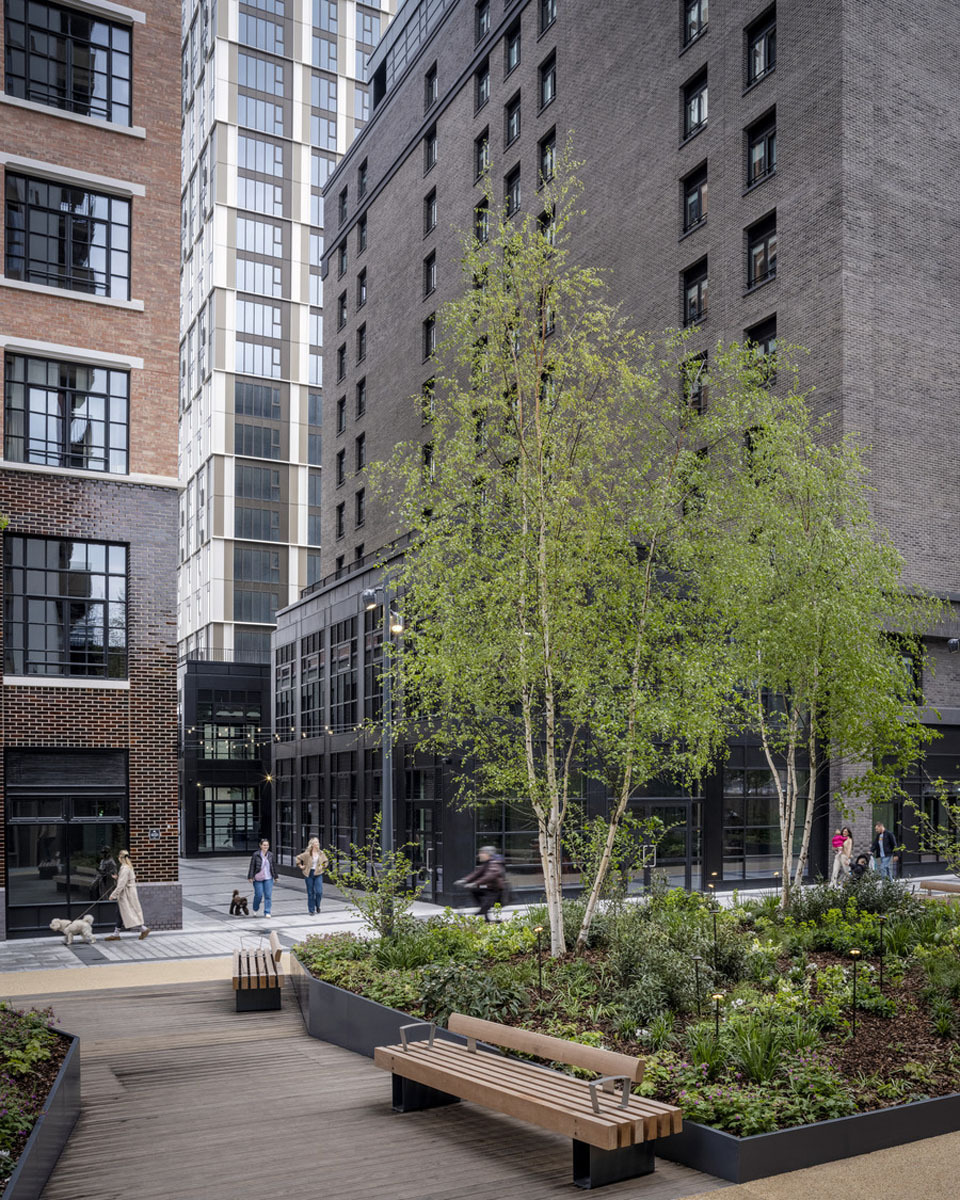
3 & 15 West Lane, designed by HTA Design for Canary Wharf Group, contributes to the growing buzz and evolving character of the Wood Wharf neighbourhood. These two new buildings deliver a dynamic aparthotel, offering flexible accommodation alongside ground-floor commercial space, located in ‘The Lanes’ car-free public realm.
A defining success of the project lies in its clay brick facade, which reflects and re-instates the lost character of historic docklands warehouses, grounding the development in Canary Wharf’s industrial heritage. This historical narrative, shaped by detailed studies of nearby Victorian wharfs (Chamberlain’s, Oliver’s, King Henry’s) and the robust industrial aesthetic of New York warehouse typography, informed our facade development, emphasising a balance of aesthetics with functionality.
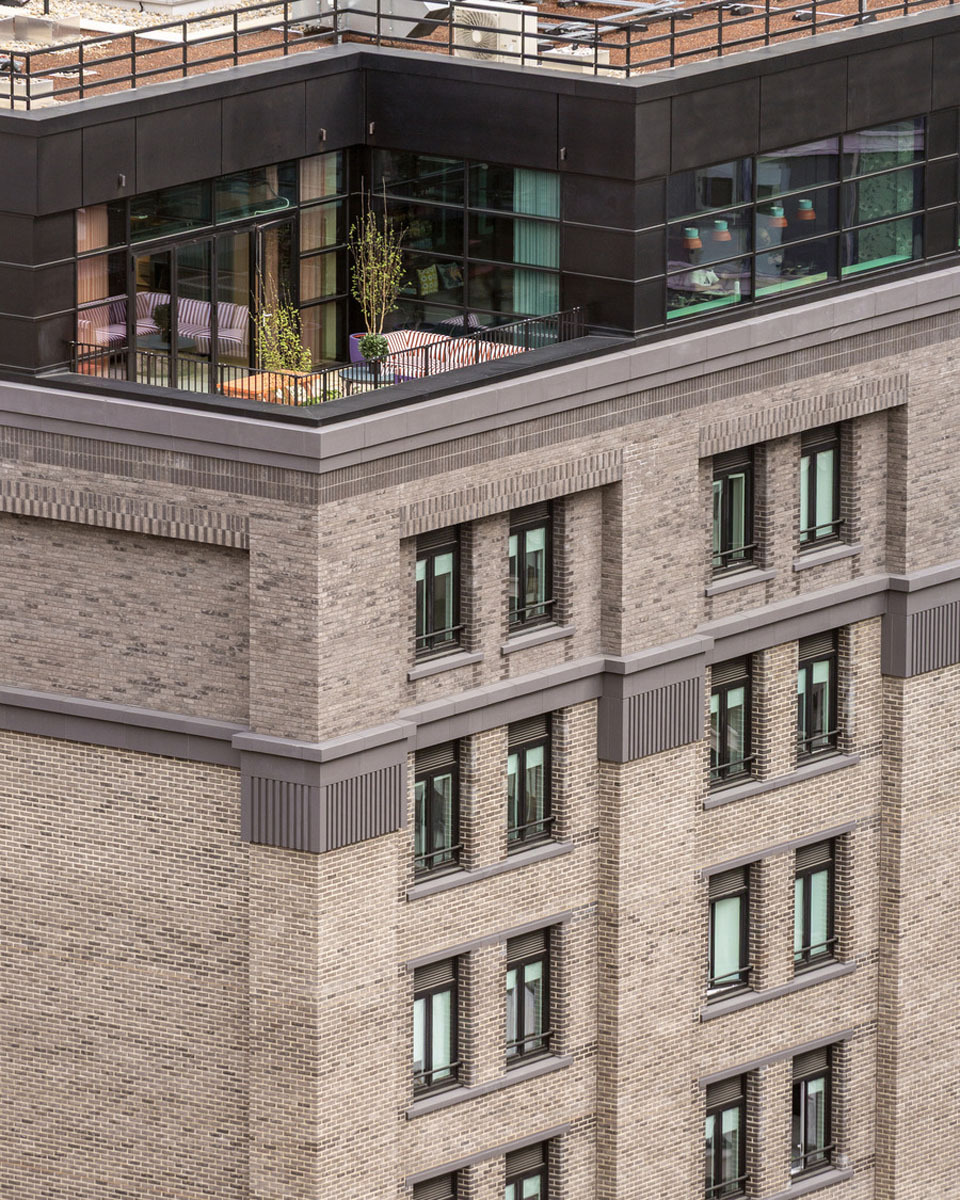
The inherent qualities of clay brick enabled a richly articulated facade with a clear hierarchical design. Prominent western elevations feature greater detailing, while eastern facades maintain a simpler elegance. Clearly defined, equally spaced brick piers create a strong vertical emphasis and consistent rhythm, a key design decision that significantly improved the overall composition.
Detailed elements such as facing brick, glazed facing brick, and smooth black expressed soldier courses add essential texture and depth, successfully avoiding the flat appearance seen in less detailed precedents. Furthermore, the intentional use of varied mortar colours whilst maintaining the same brick base through the levels creates a varied colour palette and sense of hierarchy. 3 West Lane uses black mortar at the base levels, and colour matched pink mortar on the upper levels alongside Ashbury Handmade bricks throughout. 15 West Lane uses black mortar at the base and top of the building, the mid-sections use natural mortar alongside Cinder Coal brick throughout. The aged bronze glazed brick adds dimension and interest under the windows on the west façade of 3 West Lane and is used to highlight the location of the main entrance of both 3 and 15 West Lane.
As a robust, long-life, and low-maintenance material, clay brick minimises wear and replacement cycles, thereby reducing lifecycle costs and the embodied carbon associated with frequent refurbishments. Its contribution to a high-performance, airtight envelope further enhances energy efficiency, supported by an intention to source high-mass materials locally to reduce transportation-related carbon emissions.
As part of Vertus Edit, a pioneering aparthotel model, 297 flexible studio accommodations serve as vital intermediate housing for short and extended stays. Responding to the client’s ‘Fun and Flair’ brief, the interior design draws inspiration from Wes Anderson’s cinematic aesthetic to create joyful, characterful spaces. Apartments offer a calming retreat, with bespoke joinery, fully equipped kitchens, and smart bathroom suites that maximise space without compromising comfort. The scheme integrates private dining rooms, co-working spaces, residents’ lounges, and terraces for an adaptable and amenity-rich living environment.
3 & 15 West Lane has transformed Wood Wharf by opening previously inaccessible areas, establishing vital pedestrian routes, and significantly enhancing neighbourhood connectivity. This creates a crucial link between Canary Wharf to the west and emerging residential communities to the east, contributing to a significant increase in footfall from 97,500 to 111,000 post-opening. The buildings' active ground-floor commercial space, framed by these enduring brick facades, attracts London-based independent businesses, creating a highly walkable and lively environment. This integrated approach delivers tangible social and economic value, setting a benchmark for people-centric urban design.


